

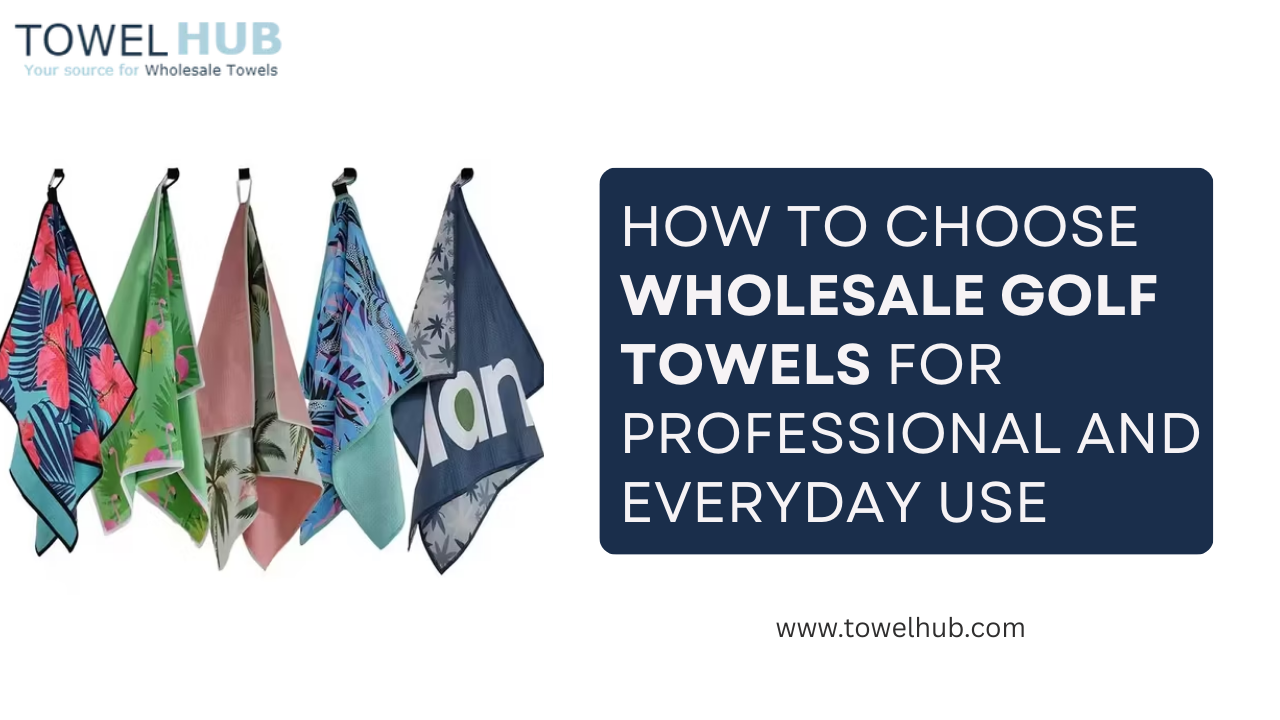
Selecting the right golf towel might seem like a minor administrative task, but in my years of working with club managers and marketing directors, I’ve learned that it’s actually a high-stakes decision. A towel is one of the few pieces of equipment that a player touches after nearly every single shot. Whether you are running a high-end resort or just looking to stock your personal bag, the quality of your wholesale golf towels speaks volumes about your standards. I’ve seen clubs lose prestige simply because their linens were thin, scratchy, or ineffective at cleaning a clubface.
When I sit down with a client to discuss their inventory, we don’t just talk about price points; we talk about the “hand feel” and the functional longevity of the fabric. Choosing a towel requires balancing the technical needs of the game with the aesthetic needs of a brand. It is an investment in the golfer’s experience, and understanding the nuances of different materials and designs can save you from the headache of frequent replacements and member complaints.
Material Science: Why the Fabric Choice Changes Everything
The first thing I tell my clients is that a golf towel is a tool, not just a decorative cloth. In the professional world, the material dictates how well a player can maintain their equipment during a pressurized round. If the fabric doesn’t absorb water or lift mud out of the grooves, it’s essentially dead weight on the bag. Over the years, I’ve watched microfiber rise in popularity, yet cotton remains a staple for its classic feel and durability under heavy industrial washing.
Cotton vs. Microfiber: Finding the Right Balance
Cotton is the traditional choice for a reason; it’s heavy, absorbent, and handles embroidery beautifully. However, microfiber has revolutionized the industry with its ability to trap dust and debris within its tiny fibers. For a deeper look at the technical specs, you can read this guide to golf towel materials to see which weave suits your specific course conditions. From my perspective as a printer, microfiber often holds color better, while cotton offers that premium, weighted luxury that many country club members still expect.
Absorbency and Quick-Drying Features
A towel that stays soaking wet for eighteen holes is a nuisance. I’ve worked with several seaside courses where the salt air and humidity make drying a constant challenge. In these environments, you want a waffle-weave pattern that increases surface area and allows for faster evaporation. When you provide a towel that actually performs in the rain or high humidity, you are directly contributing to the player’s comfort. I’ve shared more on our Towel Hub platform about how selecting the right weight of fabric can change the entire “vibe” of a club’s gear.
The Professional Edge: Functionality and Attachment Styles
If you’re choosing towels for a professional setting, you have to think about how they will be used on a cart or a caddy’s shoulder. I’ve seen many businesses make the mistake of buying towels without a proper attachment system, leading to towels being dropped and lost all over the fairway. For a club, this is a waste of money and creates a litter problem. For the individual golfer, it’s a source of frustration.
Choosing Between Grommets and Tri-Fold Designs
A towel with a corner grommet and a hook is the standard for most bags because it’s easy to snap on and off. However, many of the luxury clubs I work with prefer the tri-fold design, which keeps the towel looking neat and compact while providing different “zones” for cleaning. I’ve often asked pros for their expert opinions on golf towels and most agree that a towel that stays out of the way until it’s needed is the ideal companion. The attachment should be sturdy enough to survive being tossed around in a golf cart or shoved into a storage bin.
Size Matters: From Greenside to Clubhouse
The “standard” size for a golf towel is usually around 16×25 inches, but I’ve found that many clients benefit from having a variety of sizes. A smaller towel is perfect for the putting green, while a larger “caddy” towel is better for overall club maintenance. It’s also important to consider how these towels fit into your broader facility management. Many clubs find it efficient to source their wholesale hand towels and wholesale bath towels from the same provider to ensure that the color and quality remain consistent from the first tee to the locker room showers.
Durability and the Longevity of Your Investment
One of the most common mistakes I see business owners make is failing to account for the “wash cycle.” A towel might look great when it’s brand new in the plastic wrap, but how does it look after fifty washes in a commercial machine? In my experience, a cheaper towel will start to fray at the edges and lose its absorbency after just a few weeks of heavy use. This is where buying high-quality wholesale gear really pays off in the long run.
Maintenance Tips for High-Volume Use
If you are managing a club, your laundry staff needs to know how to treat these linens to prevent them from becoming stiff. I often get asked about the best practices for processing used locker room towels because the way you wash them affects their performance. Avoid using fabric softeners, as they leave a coating on the fibers that actually repels water exactly the opposite of what a golfer needs when they are trying to dry their grips or clean their wedges.
The Impact of Quality on Player Confidence
There is an undeniable link between the quality of the gear provided and the perception of the club’s professionalism. When a player has a clean, high-performing towel, they feel like the club is invested in their success. We’ve done studies and seen feedback regarding the towel impact on club performance that shows members are much more likely to recommend a club that doesn’t cut corners on these essential details. It’s about building trust through consistency.
Branding and Personalization: The Marketing Perspective
From my seat in the printing industry, a golf towel is one of the best branding opportunities you have. It’s a functional item that stays with the golfer for years. If the towel is high-quality, they might even take it with them to other courses, effectively advertising your club wherever they go. However, the logo needs to be applied correctly. Screen printing works well on flat weaves, while embroidery is the gold standard for terry cloth cotton.
Selecting Colors that Last
I always advise my clients to choose colors that are practical for the environment. While a white towel looks incredibly sharp when clean, it shows every bit of grass stain and mud immediately. Darker greens, navies, or grays are often better for “everyday” use on the course, as they maintain a professional appearance throughout the round. If you choose a vibrant color, ensure it is “vat-dyed” or color-fast so it doesn’t bleed into other linens during the wash cycle.
Conclusion: Making the Right Choice for Your Brand
Choosing the right golf towel is a blend of practical utility and brand storytelling. Whether you are looking for microfiber’s modern efficiency or cotton’s traditional luxury, the key is to prioritize durability and performance. By selecting high-quality wholesale options, you ensure that your members and guests have the tools they need to play their best game while also protecting your business’s bottom line through longer replacement cycles.
A great towel is more than just a piece of fabric; it’s a silent partner in every round of golf played at your facility. It’s the detail that members appreciate and the reliability that keeps your operations running smoothly. For more insights on how to manage your club’s textile needs and find the best products for your specific situation, I invite you to explore the latest guides and tips on the Towel Hub Blog. We are here to help you make every detail count.