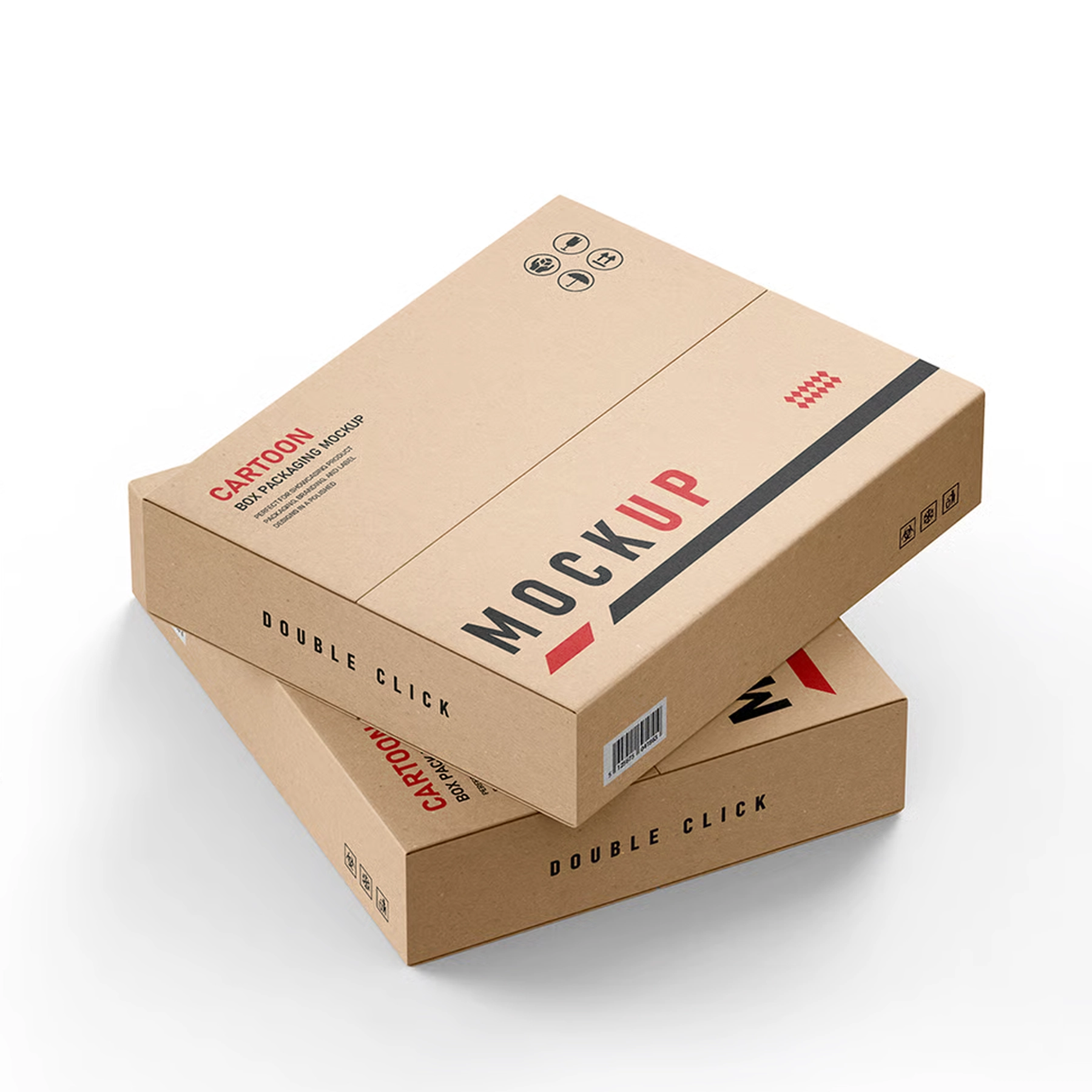
If you sell more than one product, you quickly learn that no single box fits everything. Some items need a sleek, flat-packed carton that stacks neatly on shelves. Others need a carry-ready package that doubles as a handle. Two of the most versatile choices are custom folding boxes and custom gable boxes. Both ship flat, both print beautifully and both can be tailored to your brand. This guide explains how each works and when to use them.
Understanding Folding Cartons
A folding carton is a box made from paperboard that is die-cut, scored and folded into shape. It usually arrives flat, which saves warehouse space, and is erected by hand or machine just before filling. Folding cartons are used for countless products, including cosmetics, supplements, snacks, toys, electronics and household goods.
Custom folding boxes give brands control over dimensions, board thickness, print and finish. Because the format is so flexible, there are many structural styles, including tuck end, auto-lock bottom, seal end and reverse tuck.
Why Brands Choose Folding Boxes
- Space efficiency. Flat storage reduces warehouse and shipping costs.
- Print quality. Smooth paperboard accepts vivid, detailed artwork.
- Retail readiness. Boxes stack neatly, display well and hold product information clearly.
For a closer look at one of the most popular folding structures, see custom tuck end boxes, which are known for their simple assembly and professional look.
Understanding Gable Boxes
A gable box is a special kind of folding carton shaped like a small house. The top panels slope toward the center and lock together to form a built-in handle. That makes it ideal for takeaway meals, bakery goods, party favors and gifts.
Custom gable boxes are made from cardstock, kraft paper or corrugated board in thicknesses such as 14pt, 16pt or 18pt, and commonly come in sizes from about 4 by 4 by 4 inches up to 12 by 8 by 9 inches, all of which can be customized. They are printed with CMYK or PMS colors and can be finished with matte, gloss or spot UV coatings. A die-cut window, covered with clear PVC, can also be added so customers see what is inside.
Why Brands Choose Gable Boxes
- Built-in handle. Customers can carry the box without needing a bag.
- Playful shape. The sloped lid is friendly and instantly recognizable.
- Strong brand display. Large front and top panels give artwork plenty of room.
- Versatile use. The same structure works for food, gifts, party favors and retail bundles.
Folding Boxes vs. Gable Boxes
Both formats are folding cartons, so they share many strengths. The choice depends on how your product is sold and carried.
- Shape and handling. Folding boxes are rectangular and stack well; gable boxes are carry-ready.
- Primary use. Folding boxes suit retail shelves and shipping; gable boxes suit takeaway, gifting and events.
- Presentation. Folding boxes look sleek and professional; gable boxes look cheerful and giftable.
Many brands use both. For example, a bakery might sell biscuits in a stacked folding carton on its shelves, then use gable boxes for holiday takeaway assortments.
Industry Use Cases
Different industries lean on these boxes in different ways.
- Bakeries and cafés: Gable boxes carry cookies, pastries and lunch sets, while folding cartons hold packaged treats for retail.
- Cosmetics and personal care: Folding boxes protect small jars, tubes and bottles, while gable boxes serve gift bundles.
- Event planners: Gable boxes work as party favors or meal boxes for weddings and corporate events.
- E-commerce brands: Folding cartons keep individual products presentable inside larger shipping boxes.
Design Tips for Better Results
Good artwork depends on understanding the structure, so keep these tips in mind.
- Request a dieline. A dieline shows folds, cuts and safe zones so your design lines up correctly.
- Keep text away from folds. Crease lines can cut through words and logos.
- Use contrast. Dark text on light panels, or bold logos on kraft, remains readable at a distance.
- Think in panels. Plan the front, back, sides and top as one connected design.
Finishes and Add-Ons
Finishing choices can transform a simple box into something premium. Matte lamination gives a soft, modern look, while gloss brightens color. Spot UV highlights logos with a shiny accent, and embossing or foil stamping adds texture and shine on folding cartons. Gable boxes can use a window to show off contents, and hang tabs or inserts can be added to folding styles for display and protection. If you want to see windowed gable styles, browse gable boxes with window.
Sustainability and Storage
Because both box types ship flat and can be made from recyclable paperboard, they suit eco-minded brands. Choosing kraft or recycled stock, using soy-based or water-based inks and limiting heavy coatings all make recycling easier.
Choosing a Supplier
Look for a manufacturer that offers custom sizing, design support, digital proofs and flexible order quantities. Custom Printed Paper provides a broad packaging range that includes folding styles and gable boxes, helping brands source a coordinated line from one place. Share your product dimensions and intended use, and ask for a sample to test fit and strength.
Final Thoughts
Custom folding boxes give your brand a flexible, space-saving carton with professional print quality, while custom gable boxes add a carry-ready handle and a cheerful shape. Together they cover most everyday packaging needs, from retail shelves to takeaway counters. Pick the format that fits the way your product is sold, design with the structure in mind and test before you scale up. The result is packaging that is efficient, attractive and ready to carry your brand wherever it goes.