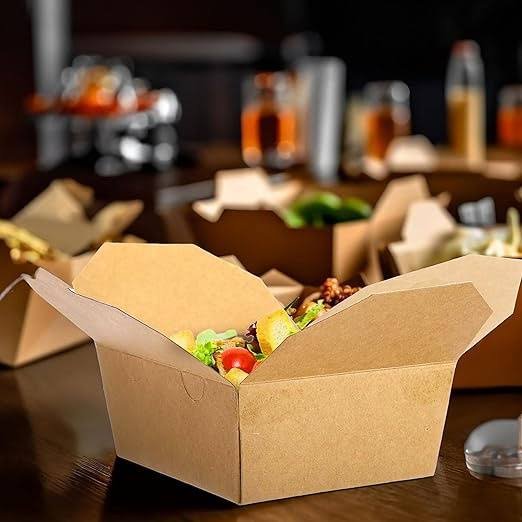
Food packaging is both a promise and a practical tool. Customers expect meals to arrive hot or cold as intended, without leaks, odours or collapsed corners. Canadian restaurants, fish shops, caterers and meal-prep companies all rely on dependable containers to deliver that experience.
This guide examines custom fish fillet boxes and custom lunch boxes, covering structure, materials, branding and food-safety considerations for businesses that want to serve customers well.
The Special Challenges of Fish Packaging
Fish is delicate and perishable. Whether it is fresh salmon from the Pacific coast, Atlantic cod or fried fillets served at a chip stand, the packaging has to manage moisture, temperature and odour. Weak boxes soften when they absorb liquid, and the result is leakage and a poor customer impression.
Cold-chain handling is critical for raw products, and packaging should be used within appropriate temperature guidelines. Always follow food-safety regulations and guidance from Canadian authorities, and consult your supplier about materials designed for chilled or frozen goods.
Designing Boxes for Fillets
Fillet cartons are usually shallow and wide, sized to hold portions flat. Wax-coated or specially lined corrugated boxes resist moisture and stand up to ice. For cooked fillets, grease-resistant paperboard or vented clamshell-style cartons prevent sogginess.
Inner liners, absorbent pads and parchment sheets help separate portions and manage liquid. Closures such as tuck flaps, tape strips or locking tabs keep lids in place during transport.
Printed information adds value. Include species, weight, handling instructions and storage guidance, and consider space for catch or harvest details if you sell sustainably sourced products. Bilingual labelling may be necessary, so leave room for both English and French text.
Why Lunch Packaging Matters
The lunch category covers school programs, office catering, meal subscriptions and quick-service takeout. These meals are often eaten away from a kitchen, so the container must be easy to carry, simple to open and secure enough for a backpack or tote bag.
A well-designed lunch carton also supports portion control and presentation. Compartments keep sauces from touching crispy items, and a snug lid prevents spills. Cheerful graphics make a daily meal feel like a treat, which is especially appealing for children.
Structure and Materials for Lunch Containers
Common structures include tuck-top cartons, handled boxes, tray-and-sleeve sets and gable boxes with built-in handles. Grease-resistant board and food-safe coatings help manage oily meals. Windows can show the contents, provided the film is suitable for food contact.
Think about microwave and refrigeration needs. Some meals will be reheated, so check the materials are rated for that use. Include clear instructions on the box if reheating is possible or not recommended.
For schools and workplaces, handles and flat-pack storage are practical features. Boxes should stack neatly in delivery crates to save space and speed up distribution.
Branding Opportunities for Food Businesses
Both product types give you room to tell your story. A fish market can print its location, a sustainability statement and cooking tips. A meal-prep company can highlight menu names, nutritional notes and ordering information. Consistent colours and fonts make the business easier to recognize.
Personal touches matter as well. A thank-you message, a seasonal recipe or a QR code linking to a loyalty program turns an ordinary meal into a relationship. Customers often share attractive packaging online, which brings free exposure.
Catering, Delivery and Meal Prep
Office catering has grown steadily in Canadian cities, and group orders arrive in volume. Individually boxed meals simplify serving, reduce cross-contact and allow clear dietary labelling. A caterer that uses custom lunch boxes can print allergen icons, menu names and a company logo on every lid, which makes handing out orders faster and cleaner.
Meal-prep brands can use colour-coded tabs for different menus, so staff assemble deliveries without errors.
Retail Fish Counters and Seafood Markets
At a seafood counter, packaging is the customer’s last impression before the kitchen. A neat carton with a clear label of species, weight and date helps shoppers trust what they are buying. Independent fishmongers can stand out by using custom fish fillet boxes printed with their shop name, handling tips and a short note on local sourcing.
Keep spare boxes in a cool, dry area, and rotate stock so older boxes are used first, which prevents warping from humidity.
Sustainability and Waste Considerations
Canadian communities differ on what packaging can be recycled or composted, and food residue can limit recyclability. Ask suppliers about compostable linings and fibre-based materials, and verify local acceptance rules before making claims. Reducing plastic, right-sizing boxes and offering reusable options for regular customers can all lower waste.
Practical Ordering Advice
Measure portion sizes, test containers with real food and run temperature trials. Order a variety of sizes if your menu changes. Keep stock in a dry, clean storage area, away from strong odours that could transfer to the packaging. Place orders early for peak periods such as summer tourism, holidays and the back-to-school rush.
Final Thoughts
The best food packaging works quietly. It keeps meals fresh, travels well and reflects the care that went into the food itself. By choosing sturdy structures, suitable materials and clear branding, Canadian food businesses can protect quality, reduce complaints and create meals customers are happy to return for.