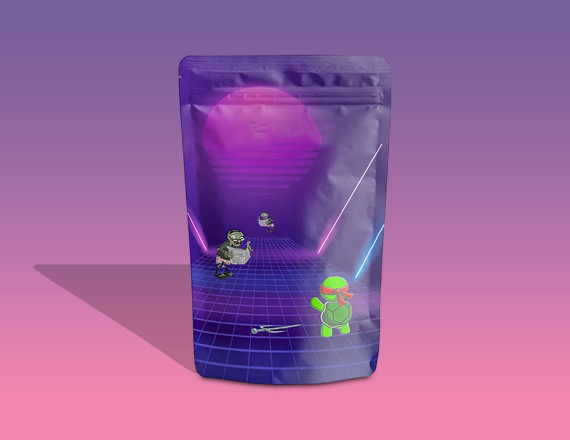
Flexible packaging has become a favourite among Canadian food producers, coffee roasters, wellness brands and specialty retailers. Metallized film pouches, often called mylar bags, create a strong barrier against light, moisture and oxygen, while offering a large surface for branding.
In this article, we compare custom mylar vacuum seal bags and custom mylar heat seal bags, looking at how each works, where each fits best and what to consider before ordering.
What Mylar Packaging Offers
Mylar generally describes a laminated film structure with a metallized or foil-like layer. The barrier protects contents from light, humidity and odours, helping dry goods stay fresh longer. Layers of polyester, aluminum or metallized film, and a heat-sealable inner layer are common, and the exact structure can be tailored to the product.
Because these pouches are lightweight and flexible, they ship efficiently and take up less space than rigid containers. They can also be printed in full colour, which lets brands present a premium look at a fair price.
How Heat Seal Pouches Work
A heat seal pouch is filled and then closed with heat and pressure along its open edge. Home-based producers use impulse sealers, while larger operations use automated equipment. The sealed edge creates a clean, tamper-evident closure that stays secure through shipping.
Many designs include tear notches, zipper closures and hang holes. A resealable zipper below the seal allows customers to open and close the bag repeatedly, which is useful for snacks, spices, tea, granola and supplements.
Heat sealing is straightforward and cost-effective, making it a common choice for small and medium businesses. Good seal quality depends on correct temperature, pressure and dwell time, so test settings with your chosen film before large production runs.
How Vacuum Seal Pouches Differ
Vacuum pouches are designed to have air removed before the final seal is made. Removing oxygen helps slow oxidation, which can extend the shelf life of items such as coffee, nuts, cured meats, cheese and dry mixes. It also reduces bulk, which can make storage and shipping more efficient.
These pouches usually require a vacuum sealing machine and films with specific barrier layers. Embossed or textured channels may help air to escape evenly. Because the structure matters, ask your supplier whether the material suits your equipment and product.
Food-related items must follow Canadian food-safety rules. Consult official guidance or a food-safety professional for requirements regarding shelf-life claims, storage and labelling.
Choosing Between Vacuum and Heat Seal Formats
Consider your product first. Delicate items such as chips or crackers may crush under vacuum pressure, while dense goods benefit from reduced oxygen. Oily products may need higher barrier materials to prevent rancidity.
Think about equipment and budget as well. Heat sealers are common and inexpensive, while vacuum machines represent a larger investment. If you sell by mail, consider durability: puncture-resistant films and thicker gauges stand up to courier handling.
Many brands adopt both formats. A compact heat-sealed pouch might be used for sample sizes, while a vacuum-sealed pack is reserved for premium or long-term storage products.
Printing and Design Options
Digital printing allows small runs with variable designs, which suits seasonal flavours and test products. Larger volumes benefit from rotogravure or flexographic printing, which lowers unit costs. Matte finishes look modern and subtle, while gloss makes colours pop. A clear window can show the product, though it reduces light protection.
Keep important text away from seals and zipper areas. Add barcodes on flat, high-contrast sections. Bilingual panels are common in Canada, so allocate space for both English and French when needed.
Sustainability and Disposal
Multi-layer flexible packaging is difficult to recycle in many municipal systems. Some suppliers offer mono-material or recyclable-ready structures, and some collection programs accept flexible film. Ask for details, and avoid vague environmental claims. Right-sizing pouches and reducing excess material still lowers waste.
Use Cases by Industry
Coffee roasters often pair one-way valves with heat-sealed pouches, as the valve lets gases escape while keeping oxygen out. Supplement and tea brands may choose resealable heat-sealed packs for convenience. Jerky makers and specialty food companies that need longer storage may turn to custom mylar vacuum seal bags for their strong oxygen reduction. Products in regulated categories should be checked against current Canadian rules before a design is chosen.
Small makers who sell at farmers’ markets might begin with custom mylar heat seal bags, since sealers are inexpensive and runs can be small. As the business grows, they can move to automated equipment, keeping the same brand design while upgrading the line.
Ordering Checklist
Define product weight, bag dimensions and gusset needs. Choose barrier level, zipper style and finish. Order samples to test with your sealing equipment, check seals under pressure and run a shelf-life trial. Confirm the minimum order quantity and lead time before approving artwork.
A basic shelf-life test, such as storing sealed samples under normal conditions and checking them weekly, reveals problems early. Record the results to support your quality procedures and to guide future orders.
Final Thoughts
Mylar pouches offer protection, efficiency and strong brand appeal. By matching the sealing method to the product and equipment, Canadian producers can keep goods fresh, present them attractively and scale with confidence.