Picture two bags of the same caramels on a store shelf. One sits in a thin, wrinkled pouch with a slightly crooked label. The other rests in a firm box with a clean print and a lid that closes neatly. Many shoppers would guess the second tastes better, even though they haven’t tried either one.
That guess is the heart of candy packaging. Before flavor gets a chance to speak, the package has already made a promise about quality, price, and care.
First message comes through the hands
Shoppers don’t only look at candy. They pick it up. A box that holds its shape suggests that someone took trouble over what’s inside. One that bends or rattles can raise doubts about whether it has broken pieces.
Weight, texture, and the way a lid moves all add to this impression. A matte surface feels quiet and understated. A glossy one feels lively. Neither is better on its own. The right choice depends on whether you sell playful gummies or slow-made toffee.
Color sets expectations
Color tells a story quickly. Pink and bright yellow often hint at fruity or sour treats. Deep brown, navy, or gold lean toward the rich and giftable.
Trouble starts when the outside and the inside disagree. A mint candy in a package that looks like strawberry will confuse people. Pick a main brand color, then let each flavor have its own accent. Customers can find their favorite without losing track of who made it.
Clear information builds trust
A beautiful box loses its charm if a parent can’t find the ingredients. In the United States, packaged food labels have rules covering details such as the product name, net quantity, ingredients, major allergens, and the responsible business. Some also need a Nutrition Facts panel, unless an exemption applies.
Treat this information as part of the design, not an afterthought. Use readable type and strong contrast. Keep seals, ribbons, and folds from hiding it. Check the current FDA and state requirements for your product before printing.
What the box says about value
Price and packaging need to feel like partners. An elaborate case around an everyday lollipop may seem wasteful. A flimsy bag around a costly assortment of truffles can feel like a letdown.
Think about the moment of purchase. A snack grabbed on the way home needs to be easy to open. A holiday gift needs to look ready to hand over. A subscription order must survive the trip and still look tidy on arrival.
Where Rigid Candy Packaging Fits
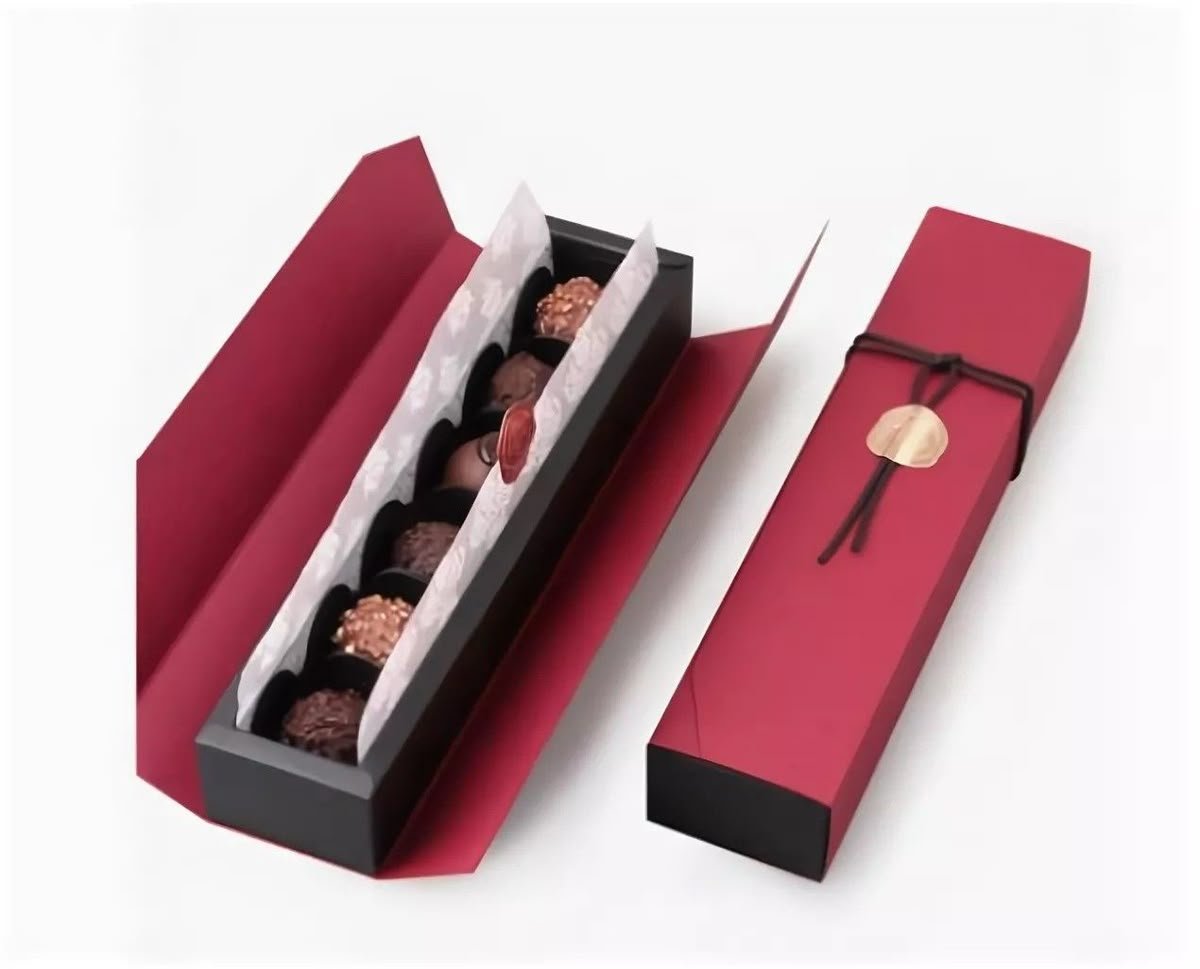
Rigid boxes are made from thick board and generally arrive already formed, so they keep their shape. They suit gift assortments, seasonal collections, and premium lines. They also need more storage room than flat-folding cartons and usually cost more.
Buying wholesale rigid candy boxes makes the most sense when you know your sizes and expect steady sales. Before committing, ask suppliers such as Premier Rigid Boxes about samples, minimum quantities, lead times, and food-contact liners. Fill a sample with real candy and ship it to yourself.
Small details that customers remember
Opening a package is a short experience, but people notice it. A fitted insert keeps pieces in place. A flavor card removes guesswork. A resealable inner bag helps someone save the rest for later.
Waste matters too. Extra layers that serve no purpose can irritate buyers. If you describe a material as recyclable or compostable, make sure you can back up the claim and explain any limits.
A simple way to test your choice
Hand your finished package to someone who has never seen your brand. Don’t explain anything. Ask what they think is inside, what it might cost, and who it’s for.
Their answers show the gap between the brand you meant to present and the one they actually see. Change one element, such as the color, structure, or label layout, and ask again. Good packaging doesn’t have to be fancy. It has to be honest about the candy, practical to use, and consistent from one purchase to the next.
Final Words
Customers may buy your candy once because the package caught their eye. They come back when the experience inside matches what the outside promised.
That doesn’t require the most expensive box on the market. It calls for choices that make sense together: a structure that protects the treats, colors that suit the flavors, labels people can read, and a price that feels fair for what they hold.
Start with one product. Look at its packaging as a first-time buyer would, and fix the weakest detail first. Small, thoughtful changes can help people see your brand as careful, honest, and worth remembering.