Introduction
Not every product can be protected effectively with standard packaging. Some items have unusual shapes, fragile surfaces or significant financial, historical or sentimental value. Others need to be presented in a way that reflects their quality while remaining secure during storage and transportation. In these situations, bespoke foam packaging offers a practical alternative to generic protective materials.
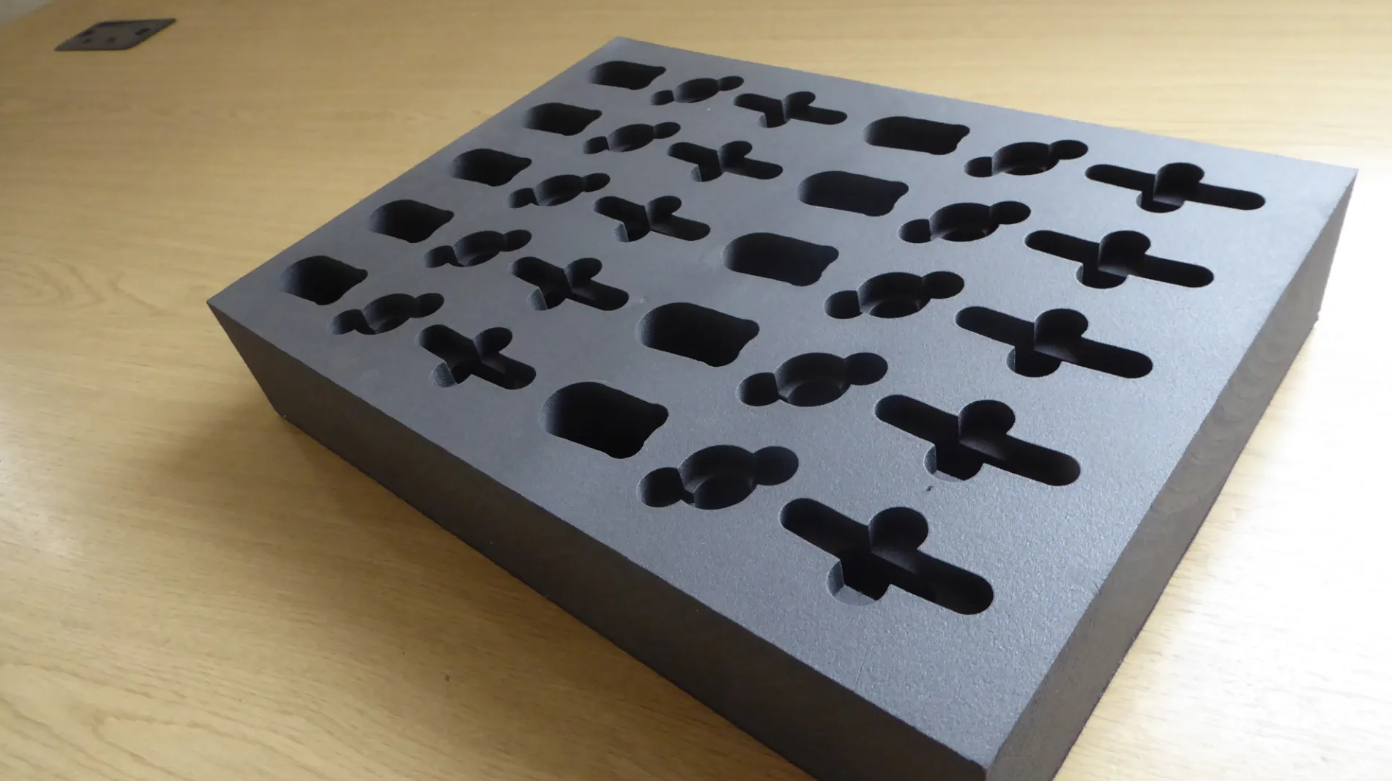
Custom foam inserts can be designed around individual objects, helping keep them in position and reducing unnecessary movement. They can also improve the appearance of presentation cases, display units and specialist storage systems. For businesses, museums, collectors and retailers, the right design can combine protection, organisation and presentation in one solution.
What Makes Foam Packaging Bespoke?
Standard packaging is usually manufactured in predetermined sizes and configurations. While this works for many everyday products, it may not provide the precise fit required for delicate or unusually shaped objects.
Bespoke packaging is developed around the item being protected. The foam can be cut to accommodate its dimensions, contours and vulnerable areas. Compartments can also be created for accessories, separate components or collections containing several individual pieces.
The process begins with understanding the intended application. A foam insert for a museum artefact, for example, may have different requirements from an insert designed for a luxury product presentation case. The material, shape, colour and finish should all be selected according to the item’s needs.
This approach makes Bespoke Foam Packaging particularly useful when standard packaging cannot provide the desired combination of fit, appearance and protection.
Understanding Plastazote Foam
Plastazote is a versatile closed-cell polyethylene foam used in specialist packaging and protective applications. It is valued for its smooth finish, durability and availability in a broad range of colours.
Its structure makes it suitable for creating shaped inserts, supports and linings. Because the material can be fabricated into different forms, it can accommodate objects with complex outlines or specific support requirements.
Colour is another useful feature. Businesses and organisations may select a colour that complements a presentation case, helps distinguish different compartments or creates a consistent appearance across a collection.
The material is therefore relevant not only to conventional product packaging but also to applications where the presentation of the protected item matters.
Why Custom Foam Inserts Can Make a Difference
A well-designed insert does more than fill empty space inside a box. It provides a planned position for the item and helps prevent unnecessary movement.
A more accurate fit
Products with unusual dimensions can be difficult to secure using generic cushioning. Excess space may allow an object to move, while an insert that is too tight may make removal inconvenient.
Custom-cut foam can be designed around the product’s shape, helping it sit securely without relying on excessive loose filling. This is especially useful for delicate objects, collectibles and equipment with protruding or vulnerable sections.
Better organisation
When a package contains several components, accessories or individual items, separate compartments can make the contents easier to organise.
For example, a presentation case containing a main product and several accessories can have a dedicated space for each piece. This reduces the chance of items knocking against one another and makes it easier to identify whether everything has been returned to its correct position.
Improved presentation
Packaging can influence how a product is perceived before it is even removed from its case. A neat, accurately shaped foam insert creates an organised appearance and gives the contents a clearly defined position.
This can be valuable for luxury goods, corporate gifts, exhibition displays and special product launches. The choice of foam colour and finish can help complement the overall presentation.
Protection during handling
Items may be moved repeatedly between storage areas, display spaces and transportation vehicles. A suitable foam support can help reduce movement and provide cushioning around vulnerable areas.
The precise design should reflect the item’s weight, fragility and expected handling conditions rather than relying on a generic insert.
Applications in Museums, Galleries and Collecting
Museums and private collectors often look after objects that cannot easily be replaced. Coins, medals, antiques and historical artefacts may require carefully planned storage to keep collections organised and reduce the risk of accidental damage.
Coin and medal drawer linings
Collections containing coins and medals can benefit from individual compartments. Custom-cut foam drawer linings can provide a designated space for each item, helping prevent pieces from moving around or coming into direct contact with one another.
The layout can be planned around the number, dimensions and arrangement of the objects. This makes it easier to store, retrieve and inspect individual pieces.
Archival storage
Long-term storage requires careful consideration of the materials placed in contact with valuable objects. The suitability of any foam should be assessed against the object’s conservation requirements and the intended storage environment.
Plastazote is used in specialist archival packaging because of its durable and non-reactive characteristics. However, conservation teams should still assess the specific material grade and its suitability for the individual collection.
Exhibition and display supports
Displaying an artefact or collectible securely can be just as important as storing it. Custom foam supports can be shaped to hold objects in a stable position for exhibitions, presentations and temporary displays.
A carefully designed support can help prevent unwanted movement while keeping the object visible to visitors. Colour selection can also contribute to a consistent display arrangement.
Protecting Artwork and Delicate Objects During Transportation
Transporting artwork, sculptures and other delicate objects presents challenges that ordinary cartons and loose filling may not adequately address.
The shape of the item, its weight distribution and the fragility of its surface all need to be considered. A sculpture may have narrow sections that require additional support, while a framed artwork may need protection around its edges and corners.
Custom foam components can be designed to support the object at selected points and reduce movement inside the outer package. The packaging should also allow the item to be removed without unnecessary handling or pressure.
For valuable pieces, the entire transport arrangement should be considered. This includes the outer container, internal supports, handling procedures and the expected journey conditions. Foam packaging is one part of a wider protection strategy rather than a substitute for appropriate handling.
Presentation Packaging for Premium Products
Packaging is often part of the customer experience, particularly when a product is positioned as premium or exclusive. A poorly organised box can undermine an otherwise carefully designed presentation.
Custom foam inserts offer businesses an opportunity to create a more structured and professional arrangement. The insert can hold the main product in place while providing separate spaces for accessories, documentation or additional components.
Colour can also contribute to the visual identity of a presentation case. A business may choose a contrasting finish to make the product stand out or a coordinated colour to complement its existing packaging.
These features are useful for:
- Luxury products and specialist retail items.
- Corporate gifts and award presentations.
- Collectibles and limited-edition products.
- Product launch kits and promotional packages.
- Exhibition samples and demonstration equipment.
A good presentation insert should still be practical. The product needs to fit securely, remain accessible and be easy to return to its designated position after use.
How to Plan a Custom Foam Packaging Project
A successful Polystyrene packaging project starts with clear information. Providing accurate details helps the packaging manufacturer understand what the foam needs to achieve.
1. Identify the item and its dimensions
Begin by recording the item’s length, width, height and weight. If it has an irregular shape, a sample or technical drawing can help communicate its exact form.
2. Identify vulnerable areas
Consider which parts are most likely to be damaged during handling. These may include corners, edges, delicate surfaces, projecting components or areas that should not experience direct pressure.
3. Define the purpose
Explain whether the foam will be used for transportation, long-term storage, display or presentation. Each application may require a different layout and material specification.
4. Select the appearance
For applications where presentation matters, consider the foam colour, surface finish and arrangement of compartments. The design should complement the outer case or packaging.
5. Review the proposed design
Where possible, assess a sample or prototype before approving larger quantities. This allows the business to check the fit, accessibility and overall appearance before production moves forward.
Choosing a Specialist Packaging Partner
Custom foam packaging requires more than selecting a material and cutting it to size. The manufacturer needs to understand the product, the intended application and the level of precision required.
Working with an experienced supplier can help businesses move from an initial concept to a finished packaging design. A collaborative approach also makes it easier to discuss adjustments to dimensions, colours and compartment layouts.
Advanced Protective Packaging, based in Manchester, creates bespoke Plastazote foam solutions for customers across the UK. Its applications include coin and medal drawer linings, display supports, artwork transportation, archival storage and special presentation packaging.
The company’s service covers the design and production process, allowing customers to discuss their requirements and develop a solution suited to the items being protected.
Conclusion
Bespoke foam packaging is a practical option when products require a more precise fit, organised storage or a professional presentation. From valuable collectibles and historical artefacts to artwork, retail products and corporate gifts, custom-shaped foam can be designed around the needs of individual items.
Plastazote offers useful characteristics for these applications, including durability, a smooth finish and a choice of colours. The most effective solution, however, depends on careful planning. Product dimensions, vulnerable areas, storage conditions and presentation requirements should all be considered before production.
By working with a specialist packaging manufacturer, businesses and organisations can develop foam inserts that provide a suitable balance of protection, organisation and appearance.