

Search engine ranking and user perception of your brand are significantly influenced by the performance of your website. Even the most well-designed website can be subtly undermined by slow load speeds, broken pages, or indexing problems. A frequently disregarded resource that can assist in identifying and resolving these problems is a website’s Google cache.
Google Cache is a common tool used by top web design companies for optimisation and troubleshooting. Understanding how this operates can give Australian website managers and marketers important insights about user experience, performance, and visibility.
What Is Google Cache and Why It Matters
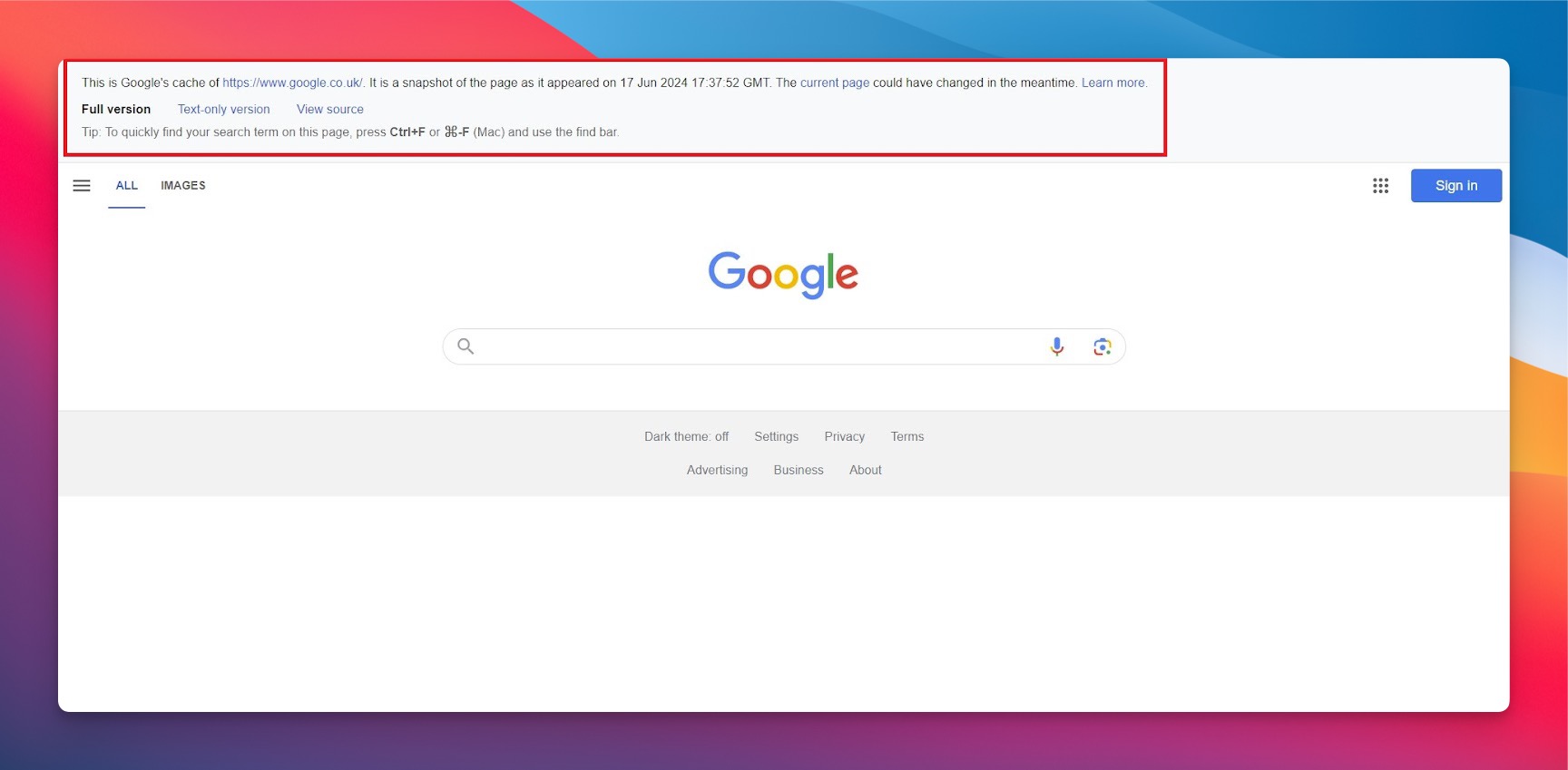
Google Cache is a temporary copy of a webpage that the Google search engine keeps after it has crawled and indexed it. The version that has been cached reveals what content, design and usability Google saw last on your page.
Why is it important:
- It aids in verifying that Google has the ability to access your website without any problems.
- It points out the differences between the viewing experiences of users and those of search engines.
- It makes the diagnosing of performance and indexing problems easier.
Usually, the design departments of websites rely on reviewing the Google cache of a website to see if the pages are being indexed properly and if the important elements are not being blocked.
How Google Cache Supports Website Performance
Google Cache does not contribute to the direct speeding up of your site, but it provides the insights to allow you to improve performance-related factors.
Below are some major performance benefits:
- Determining slow-loading resources that are not included at all in the cached versions.
- Revealing absent content due to JavaScript or rendering problems.
- Locating outdated pages that are still being indexed by Google.
An Australian retail site may make frequent updates on product pages. If the page appearing on Google Cache continues to show old price or content, it could signify crawl delays or technical issues that are impacting performance.
How Web Design Firms Use Google Cache Strategically
The professional web design companies do not depend on the Google Cache tool as a single source of information. They combine it with audits, analytics, and SEO platforms to get a complete picture.
Typical applications include:
- Seeing whether new changes are visible to Google
- Checking for differences between mobile and desktop rendering
- Determining if blocked resources are hurting indexing
- Looking into sudden ranking or traffic drops
With this approach, it is ensured that the performance enhancements are made based on facts rather than assumptions.
Practical Ways Website Managers Can Use Google Cache
You need not be a techie to reap the benefits of Google Cache. Managers and marketers can view it as a simple but powerful diagnostic tool.
Let’s go through the steps:
- Look up your page on Google
- Click on the three dots beside the result
- Choose Cached to see Google’s saved version
When checking the cached page, pay attention to:
- Images that are missing or broken layouts
- Partial phrases or missing parts
- Lags between updating content and availability in the cached version
- Differences between the cached page and live page.
These indications often point to performance or technical problems that are operating in the background.
Improving Site Speed Insights Using Cached Pages
Site speed continues to be a decisive factor in terms of ranking and user experience, especially in the highly competitive Australian markets. Although Google Cache does not provide direct speed measurement, it still helps unearth factors that may slow down your website.
In fact, web design firms often make a point to use cached pages to:
- Determine if heavy scripts are the cause of delayed rendering of content.
- Check if the loading of necessary content happens before that of secondary elements.
- Pinpoint server or hosting problems that create inconsistency in crawls.
Local traffic is critical for some businesses, such as those providing services in Sydney or Melbourne. A small drop in performance can mean fewer inquiries and less revenue.
Google Cache and SEO Visibility
The caching of your website by Google also plays a supplementary role in SEO. In case Google faces issues in effectively caching your pages, it will have a negative impact on your rankings.
The following are the common SEO-related insights that one can derive from the cached pages:
- Pages that are restricted by robots.txt or no index tags.
- Content that is behind scripts that Google cannot render.
- Duplicate or stale content that is still indexed.
- Internal linking visibility that is inconsistent.
Web design agencies make use of this information to liaise with the SEO teams and sort out the issues that have an impact on the visibility in the long run.
Common Mistakes to Avoid
Google Cache is a handy tool, but it must be interpreted correctly.
Do not make these mistakes:
- Thinking of cache as being instantly updated after changes are announced
- Getting panicked over slight changes in layout
- Not considering mobile rendering issues
- Carrying out cache checks without the performance data being there to support them.
Google may take a while to update the cached pages, especially for websites with lower authority. The right approach is to be patient and do continuous optimisation.
When to Involve Web Design Firms
Should there be repeated manifestations of problems such as those with cached pages that remain unresolved, it can be time to draw on the expertise of web design firms. They can do extensive technical reviews, redesigns and optimise your website so that it works well for both the visitors and the search engines.
This is particularly important for Australian companies that are growing and need to compete in the crowded digital marketplace.
Wrapping Up
Google Cache is a straightforward but effective tool that gives you information about how search engines perceive your page. Website managers and marketers can find performance gaps, assist SEO efforts, and keep a strong online presence by comprehending and utilising a website’s Google cache.
These insights can be translated into quicker, more dependable, and more effective websites that satisfy search engine requirements and user expectations with the help of skilled web design companies.