

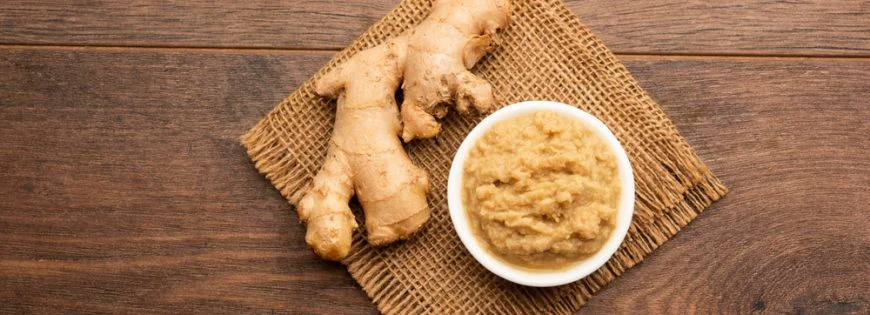
Fresh kitchen staples make everyday cooking easier, especially in Pakistani households where strong flavors are part of daily meals. One such essential ingredient is ginger paste, widely used in curries, lentils, rice dishes, and marinades. Preparing it at home saves time, money, and ensures purity. This detailed guide explains everything you need to know about making, storing, and using ginger paste effectively in Pakistan’s climate.
Why Homemade Ginger Paste Matters in Pakistani Cooking
Pakistani cuisine relies heavily on aromatics, and ginger is one of the most important among them. From chicken karahi to daal chawal, ginger enhances aroma and balances spices. Store-bought pastes often contain preservatives, excess oil, or artificial flavoring, which can affect taste and health.
Making ginger paste at home gives full control over quality and freshness. It also allows adjustment according to local cooking styles, whether for everyday meals or special occasions like Eid.
Selecting the Right Ginger
Freshness and Quality
Good results always start with fresh ginger. Choose firm ginger roots with smooth skin and a strong aroma. Avoid pieces that look wrinkled, moldy, or overly fibrous. In Pakistani markets, fresh ginger is easily available year-round, but winter ginger usually has more juice and flavor.
Local Market Tips
Sabzi mandis and neighborhood vendors often sell fresher ginger compared to supermarkets. Buying in moderate quantity helps maintain quality and reduces waste.
Ginger Paste Recipe for Daily Use
This ginger paste recipe is simple, quick, and suitable for regular Pakistani cooking.
Ingredients
- Fresh ginger: 500 grams
- Neutral oil (optional): 2–3 tablespoons
- Salt (optional): 1 teaspoon
- Water: as needed
Preparation Method
Start by washing the ginger thoroughly to remove dirt. Peeling is optional; many Pakistani cooks prefer leaving the skin on if it is thin and clean, as it contains nutrients and enhances flavor.
Chop the ginger into small pieces for easier blending. Add the chopped ginger to a blender. Pour a small amount of water to help the blades move smoothly. Blend until a thick, smooth paste forms.
If longer storage is required, mix in oil and salt. These act as natural preservatives and are especially useful in warm regions of Pakistan.
Storage Tips for Pakistan’s Climate
Refrigeration
Transfer the paste into a clean, airtight glass jar. Keep it in the refrigerator, where it can last up to two weeks without oil and up to one month with oil and salt.
Freezing for Long-Term Use
For busy households, freezing is a practical option. Spoon the paste into ice cube trays and freeze. Once solid, transfer cubes to a freezer bag. Each cube equals roughly one tablespoon, making daily cooking convenient.
Hygiene Matters
Always use a clean, dry spoon when taking paste from the jar. Moisture or contamination can cause spoilage quickly, especially during summer.
Common Mistakes to Avoid
Using Too Much Water
Excess water makes the paste thin and reduces shelf life. Add water gradually and only as needed.
Ignoring Storage Conditions
Leaving the jar outside the fridge for long periods can cause fermentation. In hot Pakistani weather, refrigeration is essential.
Poor Quality Ginger
Low-quality ginger results in dull flavor. Investing in fresh produce improves overall taste.
Health Benefits of Ginger Paste
Ginger is well-known for its medicinal properties and has been used in traditional remedies across Pakistan.
Digestive Support
Ginger helps improve digestion and reduces bloating, making it ideal for heavy meals like nihari or haleem.
Immunity Boost
Regular consumption supports immunity, especially during seasonal changes when colds and flu are common.
Anti-Inflammatory Properties
Ginger contains compounds that help reduce inflammation and joint pain, beneficial for people of all ages.
Popular Pakistani Dishes Using Ginger Paste
Curries and Gravies
Almost every curry begins with ginger paste sautéed with garlic and onions. It builds the base flavor for dishes like chicken korma and mutton handi.
Rice Dishes
Biryani and pulao require ginger paste for depth and aroma. It balances spices and enhances overall taste.
Marinades
Ginger paste is essential in meat marinades, helping tenderize beef, mutton, and chicken while adding flavor.
Ginger Paste vs Ginger-Garlic Paste
Many households prepare a combined paste, but ginger paste alone has its own advantages. It allows better control over flavor, especially in dishes where garlic might overpower the taste. Having both options ready in the kitchen increases cooking flexibility.
Cost-Effectiveness for Pakistani Families
Preparing ginger paste at home is economical. Ginger is affordable in local markets, and homemade paste costs significantly less than branded alternatives. For large families or frequent cooking, this method reduces monthly grocery expenses.
Final Thoughts
A reliable ginger paste recipe is a kitchen essential for Pakistani homes. Preparing it at home ensures freshness, better flavor, and health benefits without unwanted additives. With simple ingredients and proper storage, homemade ginger paste can make daily cooking smoother and more enjoyable.
By adopting this easy method, home cooks can enhance traditional recipes while maintaining quality and authenticity. Fresh paste not only improves taste but also reflects the care and tradition that define Pakistani cuisine.

