

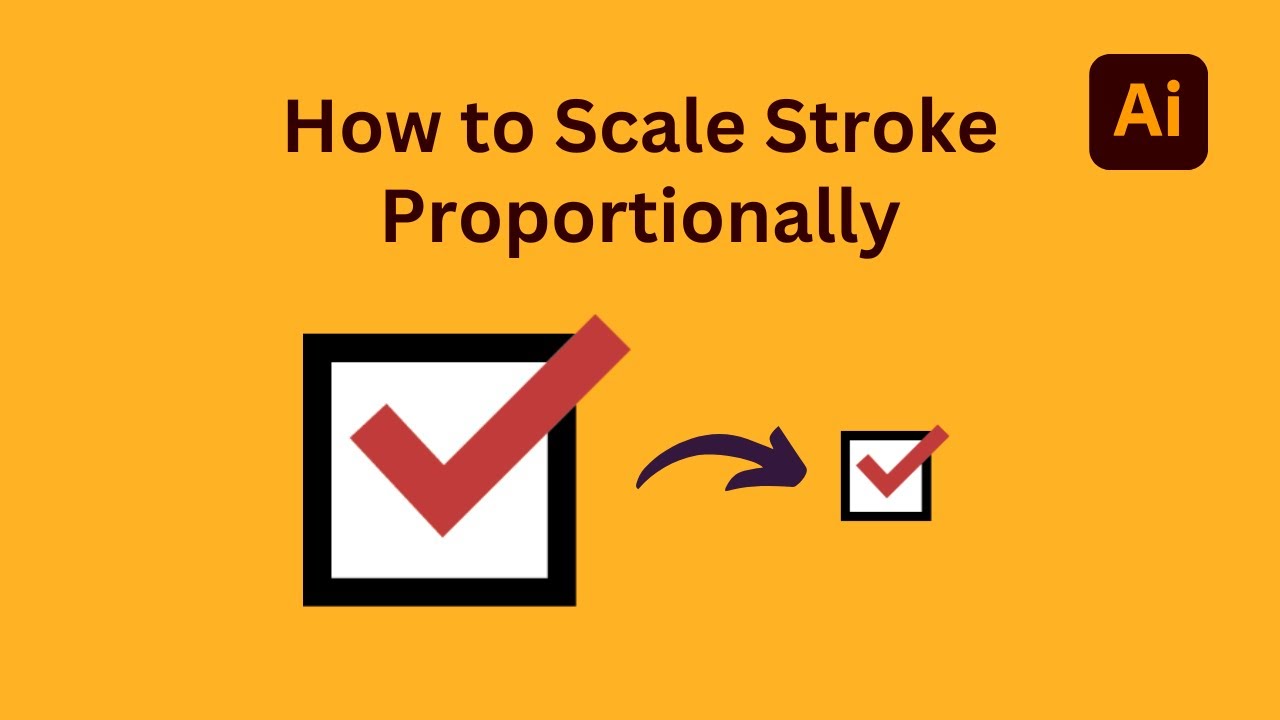
The ability to scale a logo is a key to branding and design. The logo will be used on websites, social media, packaging, advertising, business cards, and large-scale signage. A logo can appear stretched or squished when not scaled properly, and a distorted logo is unprofessional and creates brand inconsistency. Proportional scaling preserves your logo’s appearance as its size is adjusted to fit different platforms.
In this article, you’ll learn what proportional scaling is, why it matters, and how to do it right for polished, professional branding.
What Does Proportional Scaling Mean?
Is proportional scaling just resizing a logo while preserving the original width-to-height ratio? Proportional Scaling: With proportional scaling, text, icons, spacing, and shapes all grow or shrink uniformly without stretching or squishing any of the elements.
Malformed scaling occurs when the width or height is scaled independently, resulting in a distorted logo. The proportions are maintained to present the emblem cleanly, balanced, and visually stable at any scale.
Why is proportional logo scaling so important?
The face of a brand is its logo. Any deviation from it can affect how a brand is perceived. Proportional scaling is important because:
It retains the original design vibe.
It creates a consistent visual appearance across the platforms.
It maintains readability and clarity.
It enhances professionalism and trust.
Companies with correctly scaled logos look neater and more professional than their competitors, and that’s a big deal.
Start With a Vector Logo File
So the number one requirement for scaling is a (vector-based) logo. Vector files (such as AI, EPS, or SVG) are resolution-independent and can be scaled to any size without losing quality.
Unlike raster images (PNG and JPG), vector logos remain crisp and clear at any size. This reduces the difficulty of proportional scaling. Corporate organizations can always turn to professional logo design services in Pakistan to provide a simple, minimalistic, and flexible logo system that includes more than one proportionally scaled version for varied media.
Always Lock the Aspect Ratio
Resizing a logo: Locking the aspect ratio is key. In most design programs, you can “lock” or “constrain proportions,” so the width and height always adjust by the same scale.
They have this turned on by default so designers can resize logos without pixilation. This simple step avoids the most common scaling errors and keeps your logo intact.
Weigh From the Corner, Not the Sides
When proportionally scaling a logo, NEVER EVER drag or pull from the corners. Pulling from the sides can distort or stretch the logo horizontally or vertically.
The corner of the scale mode can help evenly scale every element. This can be used in almost all design tools and prevents incorrect alignment and balance.
Maintain Clear Space and Padding
As well, one of the most common uses for a logo is in small sizes (like on social media), and if your clear space proportions are off, then the whole brand goes to hell. Minimizing or eliminating the negative space in the logo makes it feel cluttered and cramped.
While you’re resizing, make sure the padding on all sides of the letter is scaled proportionally. This way, it maintains readability and also works with the logo on different backgrounds.
Adjust for Different Use Cases
Logos are found everywhere, and the post-break scale needs to reflect how large the logo will be used. A logo that looks good on a billboard might not read well as a social media profile icon.
When the size is smaller, as with the logo (too small), the designers lighten up on certain details or take out all other elements and keep it simple as an icon. These permutations are still relatively small, however, and specific to a task.
Test across Multiple Sizes
Testing is one of the most important steps in proportional logo scaling. Resize the logo to various dimensions:
Legibility of text
Clarity of symbols
Balance of elements
Visual impact
A well-executed logo should remain clearly and legibly visible when scaled down to very small sizes. It was tested for uniformity and found to be free of problems before final implementation.
Avoid Pixel-Based Resizing Mistakes
One mistake I often see is scaling raster logos up and down over and over again. This makes your logo larger or smaller every time. However, doing so introduces pixilation and loss of clarity. Quality can drop a notch every time you resize a raster image.
To prevent this, resize from the original high-res or vector file. This allows the logo to remain clean and professional at any size.
Leverage Design Guidelines and Brand Manuals.
Good brands adhere to logo guides that specify how a logo should be scaled, positioned, and presented. These standards typically include minimum size and clear space requirements, along with examples of improper use.
Adhering to these guidelines will result in proportional scaling and brand continuity over time.
Maintain Consistency across Teams
The more people who use the logo (designers, marketing team, printer, or web developer, for example), the more crucial it is to be consistent. MAKES: We share the correct logo file and clear scaling instructions to avoid misuse.
Brand assets and guidelines are centralized to ensure everyone applies the logo in the correct proportions, no matter what platform or medium.
Common Mistakes to Avoid
To prevent distortions in your scaling, steer clear of these mistakes:
Stretching the logo manually
Resizing without locking proportions
Using low-resolution files
Ignoring spacing and alignment
Cropping parts of the logo
Prevent these blunders to maintain the professional look and feel of your brand.
Final Thoughts
Scaling a logo proportionally is not only a technical challenge, but it’s also a branding responsibility. When scaled correctly, the logo maintains its shape on any platform or size. With vector files, fixed aspect ratios, clear space, and testing at multiple sizes, businesses can keep their logos looking good at all times.
On digital screens or in print, proportional scaling reinforces your brand’s presence and confidence among your audience. Done right, it guarantees that no matter how a logo is used, it always feels as striking and identifiable as it was intended to be intended.