

Table of Contents
ToggleSpeed Bump Regulations in Qatar: 2026 Guide
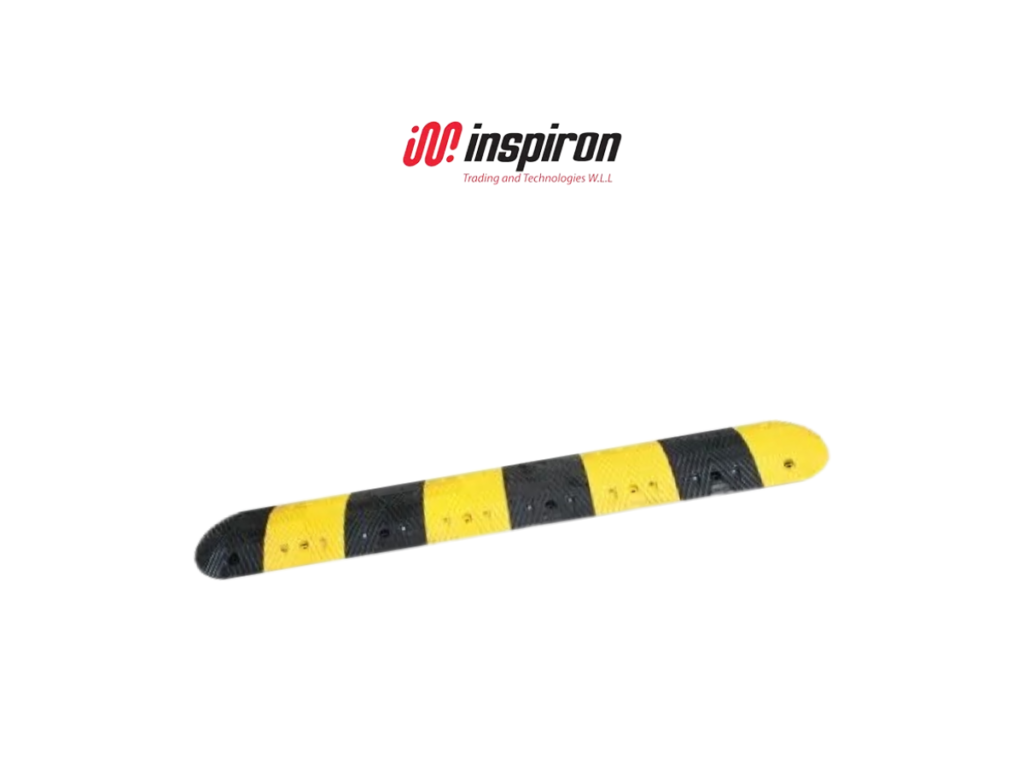
Installing a Speed Bump in Qatar is not as simple as placing rubber on the road. Get it wrong, and you’re looking at rejected approvals, safety complaints, or even forced removal after installation. We’ve seen contractors lose time, money, and credibility because they ignored regulations—or worse, assumed “any speed bump will do.”
This 2026 guide breaks down what Qatar actually requires, why the rules exist, and how to stay compliant without wasting resources.
Why Speed Bump Regulations in Qatar Are Strict (And Non-Negotiable)
Qatar’s road safety standards are enforced to protect vehicles, pedestrians, and emergency response times. An incorrectly installed Speed Bump in Qatar can:
Damage vehicles
Cause accidents instead of preventing them
Delay ambulances and fire services
Trigger penalties or removal orders
Authorities don’t care if your intention was good. Compliance is the only thing that matters.
Who Regulates Speed Bump Installation in Qatar?
Key Authorities Involved
Ashghal (Public Works Authority)
Ministry of Municipality
Traffic Department (MOI)
Any Speed Bump in Qatar installed on public or semi-public roads requires approval. Private premises (factories, warehouses, schools) still need to follow safety specifications.
Skipping approvals is not “faster”—it’s reckless.
Approved Locations for Speed Bumps in Qatar
Not every road qualifies. Regulations clearly limit where a Speed Bump in Qatar can be installed.
Typically Approved Areas
School zones
Residential streets
Parking areas
Industrial facilities
Hospital access roads (with restrictions)
Strictly Restricted Areas
High-speed roads
Main highways
Emergency routes
Sharp curves or blind spots
If you install first and ask later, removal is almost guaranteed.
Standard Design & Technical Specifications You Must Follow
This is where most failures happen.
Height, Width & Gradient
Controlled height to avoid vehicle damage
Smooth gradient to reduce sudden braking
Uniform dimensions across the road
Material Requirements
Heavy-duty rubber or thermoplastic
Anti-skid surface
Weather-resistant for Qatar’s heat
A non-standard Speed Bump in Qatar is treated as a safety hazard, not a safety solution.
Mandatory Markings, Reflectors & Signage
A speed bump without visibility is a liability.
Required Visibility Features
High-contrast yellow/black markings
Reflective cat eyes or studs
Advance warning signboards
Night-time visibility compliance
Many installations fail inspections simply because signage was ignored.
Common Mistakes That Get Speed Bumps Rejected
Let’s be blunt—these errors are avoidable:
Installing without written approval
Using non-approved materials
Ignoring signage requirements
Incorrect placement distance
Buying cheap, uncertified products
Every rejected Speed Bump in Qatar costs more to fix than doing it right the first time.
Why Choosing the Right Safety Supplier Matters
Regulations change. Standards tighten. Cheap suppliers disappear when inspections fail.
A professional supplier:
Understands Qatar regulations
Provides compliant documentation
Supplies approved materials
Advises on correct placement
At Inspiron Trading & Technologies W.L.L., we don’t just sell products—we help you pass inspections without delays.
Final Checklist Before Installing a Speed Bump in Qatar
Before installation, confirm:
Location approval obtained
Design meets Qatar standards
Materials are certified
Reflectors & signage included
Supplier understands compliance
If even one box is unchecked, stop.
Looking for Compliant Speed Bump Solutions in Qatar?
Don’t gamble with safety—or approvals.
👉 Talk to our safety experts at Inspiron Trading & Technologies W.L.L.
We’ll guide you through regulations, product selection, and compliant installation so your project moves forward without rework or penalties.
📞 Get expert advice before you install
Because in Qatar, compliance isn’t optional—it’s the standard.