

Introduction
The Ksubi Clothing Role of Craftsmanship in Modern Fashion. Fashion today moves at lightning speed. Trends explode overnight, flood social media feeds, and disappear just as fast. In the middle of this whirlwind, craftsmanship often feels like a forgotten language. Yet some brands refuse to let that language die. Ksubi is one of them. The label doesn’t just make clothes—it tells stories through fabric, distressing, and deliberate imperfection. At first glance, Ksubi pieces look raw, rebellious, even chaotic. But look closer, and you’ll notice something deeper: precision, intention, and an almost obsessive commitment to craft.
It’s about meaning. It’s about clothes that feel lived-in, personal, and emotionally charged. Ksubi Clothing thrives in this space, where streetwear meets art and rebellion meets refinement. Every rip, fade, and stitch feels intentional, like a scar that tells a story. In an era dominated by fast fashion and mass production, Ksubi’s approach feels almost radical.
This article dives deep into the role craftsmanship plays in Ksubi clothing and why it matters so much in modern fashion. From its anti-establishment beginnings to its global influence today, we’ll explore how Ksubi uses craft as a weapon against sameness, turning denim and streetwear into wearable statements. If you’ve ever wondered why Ksubi feels different when you put it on, you’re about to find out.
The Origins of Ksubi
Ksubi didn’t start in glossy studios or luxury ateliers. It was born out of raw creativity and frustration with the fashion status quo. Founded in Sydney in 1999, the brand emerged from a tight-knit group of surfers and creatives who wanted something different from what the market was offering. At the time, fashion felt predictable. Denim was clean, safe, and boring. Ksubi’s founders wanted grit.
The early days were messy, experimental, and unapologetically rebellious. Designers bleached denim in bathtubs, slashed jeans by hand, and ignored traditional fashion rules. This wasn’t just rebellion for rebellion’s sake—it was craftsmanship in its rawest form. That hands-on approach laid the foundation for what Ksubi would become.
What made Ksubi stand out wasn’t polish but honesty. The brand embraced flaws, irregularities, and imperfections, turning them into defining features. In doing so, Ksubi challenged the idea that craftsmanship had to look “perfect.” Instead, it proved that craft could be chaotic, emotional, and deeply personal.
Early Design Philosophy and Anti-Establishment Roots
From the beginning, Ksubi rejected conformity. Runway shows were disruptive, sometimes controversial, and always memorable. Models walked barefoot, music blasted, and clothes looked torn straight from real life. But behind that chaos was an intense focus on how garments were made. Every distress mark, every tear, every faded patch was intentional.
This philosophy still defines Ksubi today. Craftsmanship isn’t hidden behind clean seams and pristine finishes. It’s front and center, loud and proud. In a way, Ksubi redefined what “quality” means in modern fashion. Quality wasn’t about looking new forever—it was about character, durability, and emotional impact.
Understanding Craftsmanship in Modern Fashion
Craftsmanship in modern fashion isn’t just about sewing something well. It’s about thought, intention, and care at every stage of creation. In a world dominated by automation and speed, craftsmanship becomes a form of resistance. It slows things down It asks questions It demands attention.
For brands like Ksubi, craftsmanship means understanding fabric behavior, experimenting with washes, and trusting human intuition over machines. It’s knowing how denim will fade over time, how it will soften, and how it will move with the body. That knowledge doesn’t come from algorithms—it comes from experience.
Modern craftsmanship also means storytelling. Each garment carries the fingerprints of its maker. When you wear a handcrafted piece, you’re not just wearing clothing; you’re wearing someone’s decisions, mistakes, and creative risks.
Craft vs. Mass Production in the Fast Fashion Era
Fast fashion prioritizes speed and cost. Craftsmanship prioritizes meaning and longevity. That’s the fundamental difference. In mass production, garments are designed to be disposable. In craftsmanship-driven fashion, garments are designed to age, evolve, and become more personal over time.
Ksubi sits firmly on the craftsmanship side of this divide. While the brand operates on a global scale, it hasn’t abandoned its hands-on roots. The goal isn’t to produce as much as possible—it’s to produce something that matters The Ksubi Clothing Role of Craftsmanship in Modern Fashion.
Ksubi’s Design DNA: Raw, Rebellious, and Refined
Ksubi’s distressed look isn’t accidental. It’s a carefully crafted aesthetic that walks a fine line between chaos and control. Rips are placed where fabric naturally wears down. Fades mimic years of use. Paint splatters look spontaneous but are meticulously applied.
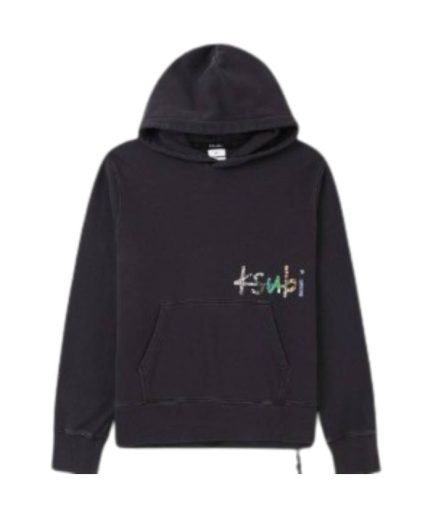
The Ksubi Clothing Role of Craftsmanship in Modern Fashion This is where craftsmanship shines. Creating something that looks effortless actually takes immense skill. It’s like making a song sound improvised when every note is planned. Ksubi Hoodie designers understand how materials behave, how far they can be pushed, and when to pull back.
Signature Details That Define Ksubi
From the iconic box cross logo to exaggerated silhouettes and raw hems, Ksubi’s details are unmistakable. These aren’t decorative choices—they’re statements. Every detail reinforces the brand’s commitment to craft and individuality.
Even small elements, like hardware and stitching, are carefully chosen. They add weight, texture, and durability. It’s this attention to detail that separates Ksubi from brands that merely imitate the distressed look without understanding the craft behind it.
Denim as a Canvas: Ksubi’s Mastery of Jeans
Denim is at the heart of Ksubi, and craftsmanship begins with fabric selection. Weight, weave, and composition all matter. Ksubi experiments with different denim types to achieve specific textures and aging effects.
Choosing the right fabric is like choosing the right canvas for a painting. The wrong one can ruin the entire piece. Ksubi’s commitment to quality materials ensures that their jeans don’t just look good on day one—they evolve beautifully over time.
Hand-Finishing Techniques and Wash Processes
This is where the magic really happens. Ksubi’s wash processes are complex and labor-intensive. Garments are washed, dried, distressed, and reworked multiple times. Some effects can’t be replicated by machines and require skilled hands.
The Role of Artisanal Techniques in Ksubi Clothing
At the core of Ksubi’s identity lies a deep respect for hands-on work. While many modern brands rely heavily on automated distressing techniques, Ksubi still leans into artisanal methods that require time, patience, and a trained eye. Hand-distressing isn’t just about tearing fabric—it’s about understanding how denim behaves when worn over years. Where do knees naturally fade Where does fabric weaken Where do creases form? These questions guide every cut, scrape, and sanded edge.
Repair work is another quiet hero in Ksubi craftsmanship. Reinforced stitching under rips, layered patchwork, and hidden repairs ensure garments remain wearable despite their aggressive aesthetic. This contrast—looking destroyed yet lasting for years—is no accident. It’s a deliberate expression of skill. Deconstruction, too, plays a major role. Each technique challenges conventional garment construction while still respecting functionality.
Small-Batch Production and Attention to Detail
Unlike fast-fashion cycles that churn out millions of identical pieces, Ksubi often works in smaller batches. This allows for greater quality control and experimentation. Designers can tweak washes, adjust distressing patterns, and refine silhouettes before full releases. The result? Clothes that feel intentional, not rushed.
Attention to detail shows up everywhere—from reinforced stress points to subtle logo placements and custom hardware. These details may seem minor, but together they create a sense of completeness. You don’t just see the garment; you feel the effort behind it. In modern fashion, where shortcuts are common, this level of care feels refreshing and rare.
Craftsmanship as Brand Identity
Ksubi doesn’t rely on loud marketing slogans to define itself. The clothes do the talking. Craftsmanship becomes the brand’s language, communicating rebellion, authenticity, and individuality without saying a word. Every distressed seam and uneven fade tells a story of defiance against uniformity.
This storytelling aspect is crucial. People don’t just buy Ksubi for how it looks—they buy it for how it feels and what it represents. Craftsmanship bridges the gap between designer intent and wearer experience. It turns garments into narratives you can live in.
Emotional Connection Between Maker and Wearer
There’s something deeply human about wearing something that was clearly shaped by human hands. It creates an emotional bond. You’re more likely to care for it, repair it, and keep it longer. Ksubi’s craftsmanship fosters this connection. The clothes feel personal, like they’ve already lived a life before meeting you—and now they’re ready to share yours.
Ksubi vs. Fast Fashion Brands
Fast fashion thrives on speed and volume. Ksubi thrives on patience and purpose. While fast-fashion garments often lose shape, color, and appeal after a few washes, Ksubi pieces are designed to age gracefully. Denim softens, fades deepen, and distressing becomes more natural over time.
This longevity is an often-overlooked aspect of sustainability. Buying fewer, better-made items reduces waste. Craftsmanship extends a garment’s life, making it more sustainable by default—even without loud eco-marketing claims The Ksubi Clothing Role of Craftsmanship in Modern Fashion.
Why Craftsmanship Still Matters to Consumers
Modern consumers are more informed than ever. They can spot cheap construction and artificial distressing instantly. Craftsmanship offers transparency. It reassures buyers that their money supports skill, creativity, and intentional design.
Conclusion
Ksubi isn’t just a clothing brand—it’s a statement about how fashion should feel. In a world obsessed with speed and sameness, Ksubi chooses craft, character, and controlled chaos. Every garment carries intention, every detail tells a story, and every imperfection adds value.
Craftsmanship is the soul of Ksubi. It’s what transforms denim into art and clothing into connection. As modern fashion continues to evolve, brands like Ksubi remind us that the future doesn’t belong to the fastest—it belongs to the most thoughtful. Read More….

