

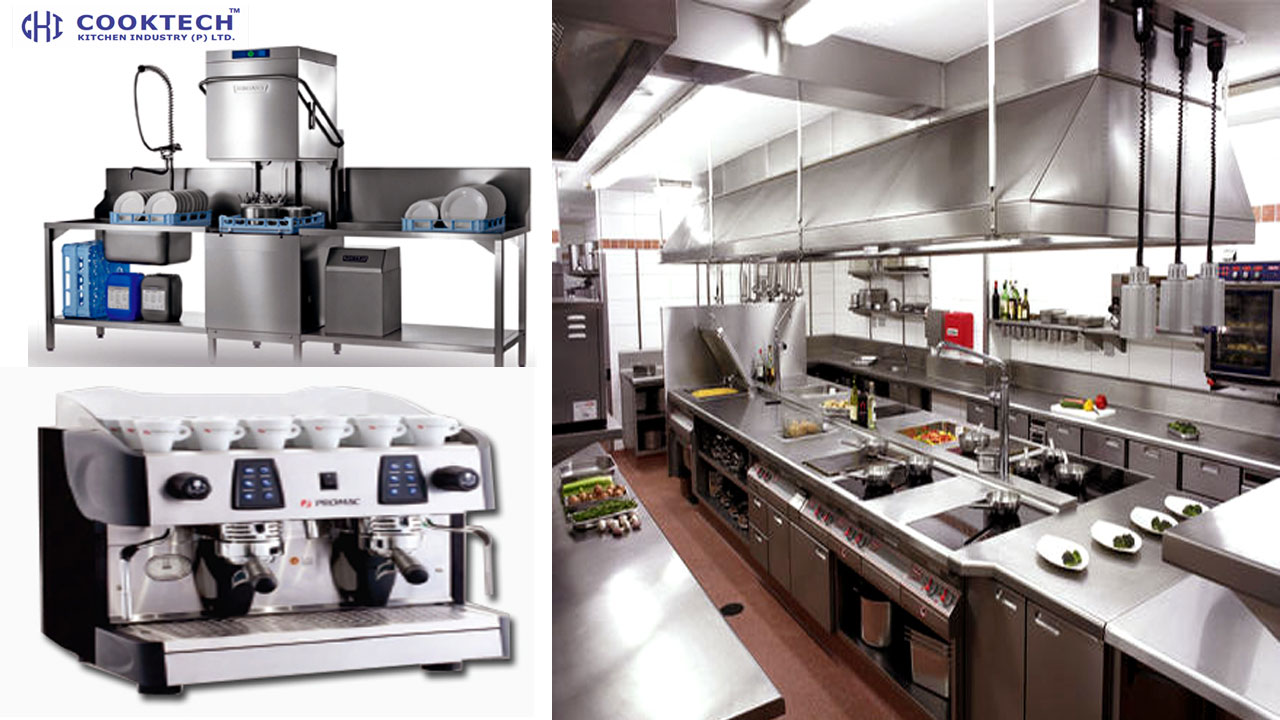
Every successful food business depends on a well-planned kitchen. Whether it is a restaurant, hotel, café, cloud kitchen, or catering unit, the right commercial kitchen equipment plays a major role in daily operations. A strong and organized kitchen setup helps staff work faster, keeps food quality consistent, and maintains hygiene standards.
In a busy kitchen, time and accuracy matter the most. Equipment designed for commercial use is built to handle heavy workloads throughout the day. From food preparation to cooking and cleaning, each tool has a purpose that supports smooth kitchen flow.
Importance of Quality Commercial Kitchen Equipment
Commercial kitchens operate under pressure. Chefs and kitchen staff manage multiple orders at once, and any equipment failure can slow down the entire operation. High-quality kitchen equipment reduces breakdowns, improves safety, and supports better productivity.
Durable materials like stainless steel are commonly used because they are easy to clean, resist rust, and meet food safety standards. Proper equipment also helps maintain correct cooking temperatures, which is important for both taste and hygiene.
Essential Equipment Used in Commercial Kitchens
A professional kitchen needs different types of equipment for various tasks. Cooking equipment such as gas ranges, ovens, fryers, grills, and tandoors form the heart of the kitchen. These appliances are designed to deliver consistent heat and handle continuous use.
Food preparation equipment like work tables, vegetable cutters, mixers, and grinders help save time and reduce manual effort. Refrigeration units including deep freezers, chillers, and cold storage ensure ingredients stay fresh for longer periods.
Cleaning and storage equipment are equally important. Dishwashers, sinks, racks, and storage shelves keep the kitchen organized and hygienic. Proper storage helps avoid cross-contamination and makes daily work more efficient.
Choosing the Right Kitchen Equipment
Selecting the right commercial kitchen equipment depends on the type of food business. A restaurant kitchen may need heavy cooking equipment, while a bakery requires ovens and mixers. Space planning is also important. Equipment should fit properly and allow smooth movement for staff.
Energy efficiency is another key factor. Modern kitchen equipment is designed to consume less gas or electricity while delivering better performance. This helps reduce monthly operating costs without affecting output.
Benefits of a Well-Equipped Commercial Kitchen
A well-designed kitchen improves work speed and reduces stress for staff. When equipment is reliable, chefs can focus on food quality instead of handling technical issues. Proper equipment also ensures consistent taste, which helps build customer trust.
Good kitchen equipment supports cleanliness and safety, which is essential for meeting food regulations. It also increases the life of the kitchen setup, saving money on frequent repairs or replacements.
Final Thoughts
Commercial kitchen equipment is not just a purchase, it is an investment in the success of a food business. Choosing the right equipment helps improve efficiency, maintain hygiene, and deliver quality food every day. A strong kitchen foundation allows any restaurant or food service business to grow with confidence and consistency.