Freshness is easy to promise and hard to guarantee. Between a production line and a customer’s kitchen, products meet air, moisture, light and sometimes rough handling, and any of them can spoil quality. Sealed packaging is one of the simplest defences, which is why heat-sealed formats are used across food, retail and specialist goods. For British producers, whether they are roasting coffee in a small unit or selling snacks through a national retailer, choosing the right sealed format helps protect shelf life and reputation. This article explains how two popular options work, what to consider when specifying them, and how to avoid common pitfalls during ordering and filling.
How Heat Sealing Works
Heat sealing joins two layers of material by applying controlled heat and pressure, so that a coating on the inside surface melts and fuses. The result is a continuous seal that blocks air, moisture and dust, and shows clearly if someone has tampered with the pack. Equipment ranges from small impulse sealers on a packing bench to automated form-fill-seal lines in a factory. The right temperature, dwell time and pressure vary with the material, so testing is essential. A weak seal can leak, whilst an overheated one can wrinkle or burn the film, so it pays to work with a supplier who can recommend the correct settings for your equipment.
Mylar Pouches for Barrier Protection
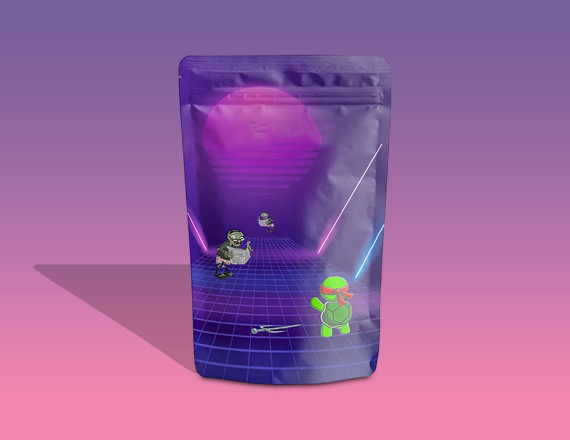
Mylar is a metallised or laminated film that provides excellent resistance to oxygen, moisture and light. It is widely used for coffee, tea, nuts, dried fruit, powders and snacks. With custom heat seal mylar bags, you can specify the size, gusset style, thickness and finish, as well as printing your branding across the whole surface. Stand-up pouches present well on shelves, whilst flat pouches suit samples and single servings. A zip closure can be added so customers can reseal the bag after opening, and tear notches make access easy. The thickness of the film affects both barrier performance and the feel of the pack, so ask for samples to compare.
Heat Seal Paper for Wraps and Liners
Not every product needs a foil-style barrier. Paper coated with a heat-activated layer can be sealed around sandwiches, baked goods, confectionery and gifts, creating a neat parcel with a paper look that customers often prefer. Custom heat seal paper gives you a printable surface for logos and patterns, and the sealed edge keeps the contents tidy and secure. It suits cafes, bakeries and delicatessens that want an attractive wrap without the bulk of a box. Depending on the coating, some versions offer grease resistance, which helps with buttery pastries. Check with your supplier how the paper should be recycled, since coated papers may not be accepted in every household collection.
Food Safety and Compliance
Any material that touches food must be suitable for that purpose. In the UK, suppliers should be able to provide a declaration of compliance for food-contact use, along with details of the inks, adhesives and coatings. Ask whether the film or paper has been tested for migration, particularly if the product is oily, acidic or hot-filled. Labelling is also essential. Include the product name, ingredients with allergens emphasised, net quantity, storage conditions, date marking and the business name and address. Check current guidance from the Food Standards Agency if you are unsure, and keep documentation on file in case your customers or local authority request it.
Design and Branding Tips
Barrier pouches and wraps both offer large, uninterrupted surfaces for branding. Use bold colour blocks and clear typography so that the product name is readable from a distance. Matt finishes feel premium and subtle, whilst gloss brings out vivid colours. Keep important information away from sealing zones, because those areas can wrinkle or become difficult to read. A transparent window can help customers see the product in a mylar pouch, though it reduces light protection, so consider a small one. When designing custom heat seal mylar bags for a range, use consistent layout and colour-coded flavour cues so shoppers can navigate your products quickly.
Ordering and Production Advice
Ask your supplier about minimum quantities, because printed pouches often require larger runs than plain stock bags, although digital printing now makes shorter runs feasible. Provide accurate dimensions, fill weights and product descriptions so the bag can be sized correctly. Request a sample and test it on your own sealer before approving production. If you also sell wrapped items, ask for custom heat seal paper in matching colours so pouches and wraps look like one family. Store unused packaging in a clean, dry space away from direct sunlight to keep films flat and seals reliable. If you plan a seasonal launch, allow generous lead times for printing, delivery and filling.
Final Thoughts
Sealed packaging protects both product and reputation. Whether you choose a high-barrier pouch or a printed wrap, the key is to match the material to the product, confirm food safety and test seals thoroughly. With careful planning, your products will arrive fresh, secure and recognisable.