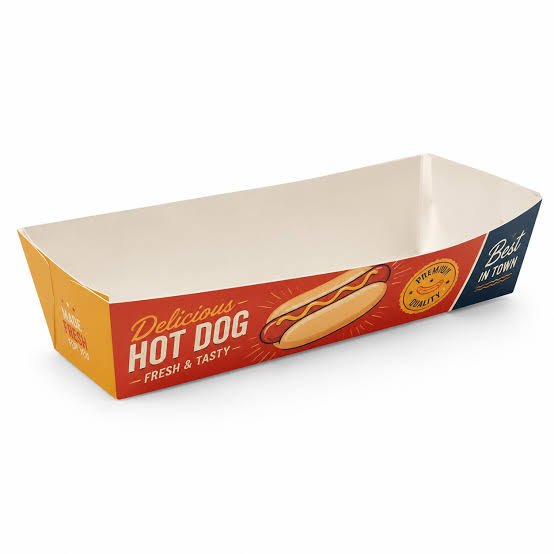
From footy grounds and Bunnings sausage sizzles to food trucks and festival stalls, the hot dog is a firm favourite across Australia. Serving them quickly and neatly is half the challenge. Sauce drips, soggy buns and messy hands can turn a great snack into a frustrating experience. Thoughtful serving packaging fixes these problems and builds your brand at the same time. That is where Custom Hot Dog Sleeves and Custom Hot Dog Trays come in.
Why Serving Format Matters
Street food and event catering rely on speed. Staff have seconds to assemble an order, hand it over and move on to the next customer. Packaging that holds the food securely, keeps it warm and reduces mess makes that process smoother.
Presentation matters as well. A printed holder makes a modest hot dog look professional, and a recognisable design helps customers remember your stall. In busy markets, where dozens of vendors compete for attention, small details can drive repeat visits.
Understanding Hot Dog Sleeves
A sleeve is a narrow, open-ended paper pocket that holds the hot dog and bun. It keeps hands clean, absorbs a little grease and allows customers to eat on the go. Most are made from grease-resistant paper or lightweight board with food-safe coatings.
Benefits for Vendors
Sleeves are inexpensive, compact and easy to store. They fit neatly on a counter, and staff can fill them with one hand. Their slim shape suits queues, sporting venues and school canteens where speed is essential.
When you invest in tailored hot dog sleeves, you turn a simple holder into a branding tool. Print your logo, a catchy slogan or a playful pattern, and every customer becomes a walking advertisement. Seasonal designs, event branding and sponsor messages are also possible.
Design Tips
Use bold colours that attract attention from a distance. Keep text short and legible, and place your logo where it remains visible when held. Consider adding a social media handle or a QR code that links to a menu or loyalty program.
The Role of Trays
Trays offer more support than sleeves, particularly for loaded hot dogs with toppings, sauces and sides. A boat-style tray holds the hot dog in a shallow, open container, catching drips and giving customers a stable base. Larger trays can include space for chips, onion rings or dipping sauce.
When Trays Work Best
Trays suit sit-down areas, food courts, cafes and takeaway orders with extra toppings. They are also helpful for catering events where guests eat while standing, as they provide a stable surface and keep sauces contained.
Choosing tailored hot dog trays allows you to select the size, depth and board strength that suit your menu. Grease-resistant coatings keep trays firm, and printed exteriors showcase your brand during service. Some designs include compartments to separate condiments, which keeps buns from becoming soggy.
Sleeves or Trays: How to Choose
Consider your menu and customer behaviour. If you sell classic hot dogs to customers on the move, sleeves are quick and economical. If you offer loaded options or combos, trays give extra support and keep the mess away from clothes.
Many vendors use both. Sleeves handle simple orders, while trays serve premium or combo items. Keeping a consistent design across both formats creates a unified look and helps customers recognise your brand.
Food Safety and Material Quality
Packaging that contacts food must be made from safe, food-grade materials. Choose paper with suitable grease resistance, and check that inks and coatings are approved for food contact. For hot items, confirm that the material tolerates heat and steam without weakening or releasing odours.
Good hygiene practices extend to storage. Keep unused sleeves and trays in a clean, dry area, away from dust and moisture. Protect them from direct sunlight to avoid fading and warping.
Sustainability and Waste Reduction
Event organisers and councils across Australia increasingly encourage vendors to reduce plastic and polystyrene. Paper-based sleeves and trays fit these expectations and appeal to environmentally aware customers. Look for recyclable or compostable options, and be clear about disposal instructions. At events, work with organisers to ensure appropriate bins are available.
Practical Ordering Tips
Start with your menu. Measure your longest hot dog, the widest bun and the typical toppings. Order samples and test them under real conditions, including hot fillings and sauces. Hold a few in your hand, walk around and see how they perform.
Estimate your volumes by event or trading day. Seasonal peaks, such as summer festivals and footy finals, can double or triple demand. Stock a buffer to avoid running out, but avoid overordering where storage is limited. Always confirm print proofs before production to catch spelling errors and colour issues.
Final Thoughts
A good hot dog deserves good packaging. Sleeves keep service quick and tidy, while trays add support and presentation for loaded or combo meals. Both can carry your brand to every corner of a crowded event or high street. By choosing safe materials, practical designs and consistent branding, Australian food vendors can improve customer satisfaction, reduce mess and strengthen recognition. In a business where every second and every impression counts, the right serving solution is a simple way to stand out.