

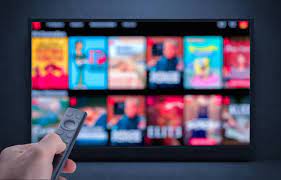
Television consumption has shifted from fixed schedules and cable connections to flexible, internet-based viewing. IPTV, short for Internet Protocol Television, plays a major role in this transformation. Among the IPTV solutions being explored by users worldwide is IPTV GOLD Premium Streaming.
This article is designed as an informational resource. It explains the concept behind IPTV GOLD, how IPTV technology works, what technical elements affect streaming performance, and key considerations for users researching IPTV platforms.
Understanding IPTV Streaming Technology
IPTV is a method of delivering television content through internet networks rather than traditional broadcasting systems. Instead of receiving signals via satellite or cable, content is streamed directly to a device using IP-based data packets.
Unlike conventional television:
- Content is transmitted on request
- Viewing is not limited to one screen
- Playback is controlled by the user
Services such as IPTV GOLD Premium Streaming operate within this IPTV framework.
What Is IPTV GOLD?
IPTV GOLD refers to an IPTV service that provides access to live channels and digital content through an internet connection. Users typically connect through IPTV applications or compatible media players rather than physical hardware installations.
The service is designed to function across multiple platforms, making it adaptable to different viewing environments. Understanding how it fits into the IPTV ecosystem helps users evaluate whether this streaming approach matches their preferences.
Core Components of IPTV GOLD Premium Streaming
1. Internet-Based Delivery Model
At its core, IPTV GOLD Premium Streaming uses broadband internet to transmit video content. This allows content to be delivered without dependence on traditional broadcast infrastructure.
2. IPTV Applications and Players
Users access IPTV GOLD through third-party or built-in IPTV players. These applications decode the stream and present it in a user-friendly interface.
3. Centralized Content Servers
Content is hosted on remote servers and streamed in real time. Performance depends on server quality, network routing, and internet speed.
Device Compatibility and Viewing Flexibility
One of the defining characteristics of IPTV services is device flexibility. IPTV GOLD services are generally compatible with:
- Smart TVs
- Android TV boxes
- Mobile phones
- Tablets
- Computers and laptops
This allows viewers to switch between devices without changing the content source, offering continuity in viewing experience.
Streaming Quality and Performance Factors
Streaming quality in IPTV GOLD is influenced by several technical factors:
Internet Bandwidth
A stable connection is essential. Recommended speeds typically include:
- 5 Mbps for SD
- 10–15 Mbps for HD
- 25 Mbps or higher for Full HD or higher resolutions
Network Stability
Even high speeds can result in buffering if the network is unstable. Wired connections often provide better consistency than wireless networks.
Device Processing Power
Older devices may struggle to decode high-quality streams efficiently, leading to lag or dropped frames.
Live TV and On-Demand Viewing
IPTV platforms usually combine live television with on-demand content. IPTV GOLD Premium Streaming often includes:
- Real-time TV channels
- Archived programs
- Replay or catch-up options (depending on configuration)
This hybrid approach gives users greater control over how and when they watch content.
How IPTV GOLD Differs from Traditional Television
Traditional television relies on scheduled programming and dedicated hardware. IPTV solutions operate differently.
| Aspect | IPTV GOLD | Traditional TV |
|---|---|---|
| Content Delivery | Internet-based | Cable/Satellite |
| Viewing Control | User-driven | Fixed schedules |
| Device Access | Multiple devices | TV-only |
| Installation | App-based | Physical setup |
These differences explain the growing interest in IPTV services.
User Experience and Interface Design
IPTV platforms prioritize digital navigation. Interfaces typically include:
- Channel lists
- Search functions
- Category-based browsing
- Favorites and history tracking
A well-structured interface enhances usability and reduces the learning curve for new users.
Legal Awareness and Responsible Usage
While IPTV technology is legal, content distribution laws vary across regions. Users exploring IPTV GOLD should remain aware of:
- Local streaming regulations
- Content licensing policies
- Terms of service provided by IPTV operators
Staying informed helps users make responsible decisions and avoid compliance issues.
Reliability and Common IPTV Challenges
Like all internet-based services, IPTV streaming may face occasional issues. Common challenges include:
- Temporary buffering
- App crashes
- Server downtime
Users can reduce disruptions by:
- Maintaining a strong internet connection
- Updating IPTV applications regularly
- Using compatible, modern devices
Who Typically Uses IPTV GOLD?
IPTV GOLD Premium Streaming is often explored by:
- Users seeking alternatives to cable TV
- Households with multiple viewing devices
- Viewers comfortable using streaming apps
It aligns well with modern digital consumption habits where flexibility and accessibility are prioritized.
IPTV GOLD and the Future of Digital Television
As internet infrastructure improves globally, IPTV services continue to evolve. Trends shaping IPTV include:
- Cloud-based content delivery
- Adaptive streaming technology
- Improved compression for better quality at lower speeds
IPTV platforms like IPTV GOLD are part of this broader shift toward internet-driven entertainment.
Practical Tips for New IPTV Users
For those new to IPTV streaming:
- Test your internet speed before setup
- Choose a compatible IPTV player
- Start with lower resolution settings if buffering occurs
- Explore interface features gradually
These steps help ensure a smoother introduction to IPTV services.
Conclusion
IPTV GOLD Premium Streaming reflects the broader transition from traditional television to internet-based viewing models. By understanding how IPTV GOLD operates, its technical requirements, and its potential advantages and limitations, users can make informed choices that align with their viewing habits.