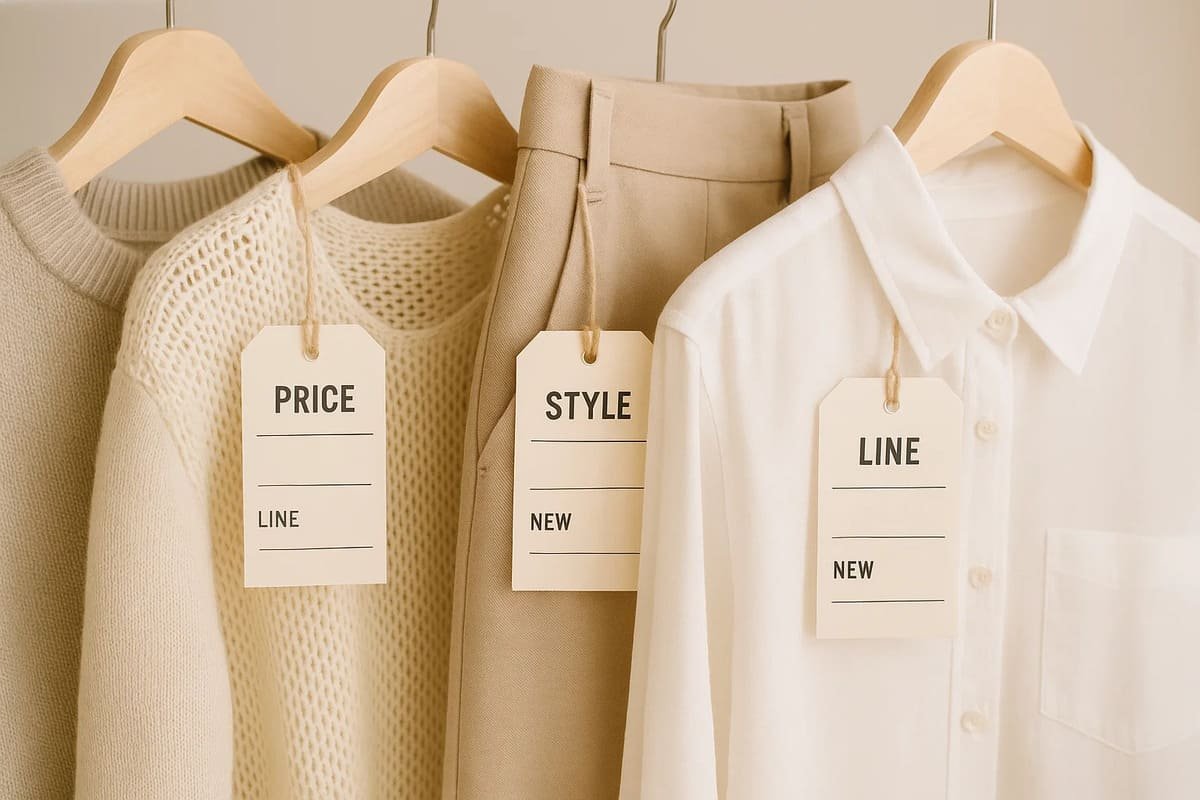
Custom apparel tags give clothing lines a finished look that buyers notice right away when they pick up a shirt from the rack. People often judge the quality of a garment by the small details attached to the fabric. Brands need these little markers to share washing instructions and size details while building recognition in a busy market.
Running a clothing business means paying attention to every single component that touches the consumer. Small labels carry heavy weight in shaping how people view a brand and its overall value. Makers everywhere find that investing in proper labeling makes all the difference for long-term success.
Customized apparel tags
Clothes need proper identification markers so buyers know exactly what materials keep them warm or cool throughout the day. Fabric composition details must be custom apparel tags display clearly on the inside so customers can care for their garments without ruining the fabric. Brands often choose soft cotton or smooth satin materials that do not scratch sensitive skin during wear. People appreciate clothing that feels comfortable against the neck without any itchy paper scratching them all day long. Manufacturers spend time selecting the right textiles for these markers to ensure they survive dozens of trips through home washing machines.
Retail Branding Details
Company symbols printed on small cloth pieces help people remember where they bought their favorite shirts and pants. Buyers look for recognizable emblems when shopping for new outfits because these little marks build instant trust and loyalty over time. Designers place these symbols strategically where they catch the eye without being too loud or annoying. A clean brand mark shows professionalism and makes ordinary garments look like high-end designer pieces found in expensive boutiques. Shoppers feel proud wearing clothes that display well-made emblems on the collar or hemline.
Low Volume Orders
Small startup designers often struggle to find suppliers willing to print tiny batches of identification pieces for their initial clothing collections. Ordering thousands of pieces upfront drains the budget of a brand new business before it even has a chance to sell anything. Finding printers who accept small orders allows creative people to test new designs without losing money on excess inventory sitting in boxes. Independent makers thrive when they can order just a few dozen pieces for their limited edition handmade shirts. Flexibility helps new enterprises grow at a comfortable pace without financial stress holding them back.
Bulk Supply Options
Large clothing factories need massive quantities of identification markers delivered on tight schedules to keep production lines moving every single day. Buying these items in huge bundles lowers the cost per piece significantly, which helps companies maintain healthy profit margins on retail sales. Suppliers ship large boxes filled with thousands of identical labels ready to be sewn into thousands of newly manufactured garments. Factory managers rely on consistent quality from their suppliers so every single shirt coming off the line gets the same finishing touch. Bulk purchasing remains the smartest financial choice for established apparel brands producing large seasonal collections.
International Shipping
Canadian clothing brands often look for local suppliers or fast international shipping options to get their branding materials on time. Cold winters and warm summers mean clothing lines change frequently across the northern border, requiring versatile labeling solutions for heavy coats and light summer tees. Local designers appreciate working with suppliers who understand regional regulations regarding fiber content disclosure and language requirements on product labels. Getting shipments across the border smoothly prevents production delays and keeps retail stores fully stocked during peak shopping seasons. Reliable delivery networks ensure that creative businesses in northern regions never run out of essential branding supplies.
Compact Marker Styles
Tiny garments like baby clothes or delicate undergarments require miniature identification markers that do not overwhelm the fabric or irritate tender skin. Big clumsy labels look awkward on tiny outfits and cause discomfort for the person wearing them. Designers carefully measure the space available before choosing diminutive markers that fit neatly into tight side seams or tiny collars. These understated pieces still manage to display essential washing instructions and brand names in a very compact format. Consumers love clothes that feature subtle labeling because the focus stays entirely on the comfort and fit of the garment.
Store Display Units
Presenting merchandise effectively in retail stores involves using eye-catching holders and cards that showcase the brand identity right beside the clothing. Retailers arrange these marketing pieces near the entrance or on hanging racks to draw shopper attention toward specific collections. Well-organized displays make shopping easier and more enjoyable for customers browsing through rows of garments looking for their correct size. Store owners invest time in setting up attractive visual presentations because neat displays directly influence purchasing decisions. Beautiful setups turn casual browsers into paying customers who appreciate the organized and professional look of the retail space.
Personal Touch Options
Handmade items and bespoke tailoring projects deserve Custom Tags wholesale markers that reflect the unique story of the maker behind the garment. Artisans often stamp or print their names and personal messages onto special fabric pieces to make each piece feel truly one of a kind. Customers treasure these special garments because the individualized labeling adds a warm human element to mass-produced fashion. Gifting a handmade sweater feels much more meaningful when it includes a custom signed label stitched carefully into the hemline. Personal touches create lasting emotional connections between the buyer and the creator of the clothing item.
Conclusion
Custom apparel tags complete the presentation of any clothing line by bringing professionalism and essential care details together in one neat package. Brands that invest in these small details build stronger connections with buyers who notice the extra care put into every garment. Choosing the right style helps a clothing line stand out in a crowded market full of generic options. Every single shirt and jacket benefits from having a clear marker that shares important information and builds lasting recognition. Success in the fashion industry often depends on mastering these small finishing touches that elevate ordinary clothes into extraordinary retail products.